
By: Angela Paschal|My Little Heart Collection

Every teacher knows the magic of story time. The moment you open a book, children lean in closer, wide-eyed, ready to listen. But what happens after the last page is read?
For me, story time has never been about finishing a book—it’s about beginning a conversation. Over the years, I’ve seen how reading can do more than teach vocabulary or comprehension. When paired with open dialogue, stories build confidence, empathy, and strong classroom communities.
This is why I dedicate so much of my energy to creating books that don’t just entertain but also open the door to conversations. Because every child, no matter how quiet or overlooked, deserves to be heard.
A Personal Story: The Quiet Child No One Noticed
I’ll never forget a little girl who sat in my preschool class years ago. She was quiet—so quiet that most people hardly noticed her. Day after day, she moved from class to class, never making waves, never drawing much attention.
She wasn’t a child with major behavioral issues. From time to time, she’d act out, but what child doesn’t? On the surface, she seemed fine—just another student moving through the routine of school.
But as her teacher, I began to notice the loneliness behind her silence. She had so much potential to connect, to share, and to laugh with her peers, but something kept her tucked away in her shell.
It broke my heart to think that she might spend her entire school experience unnoticed.
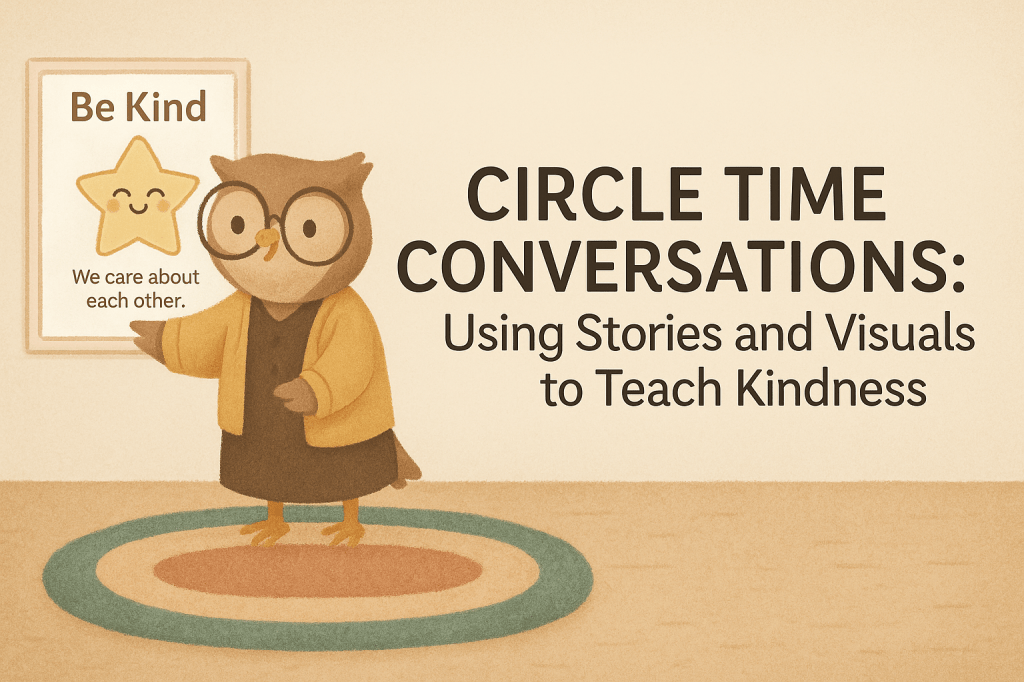
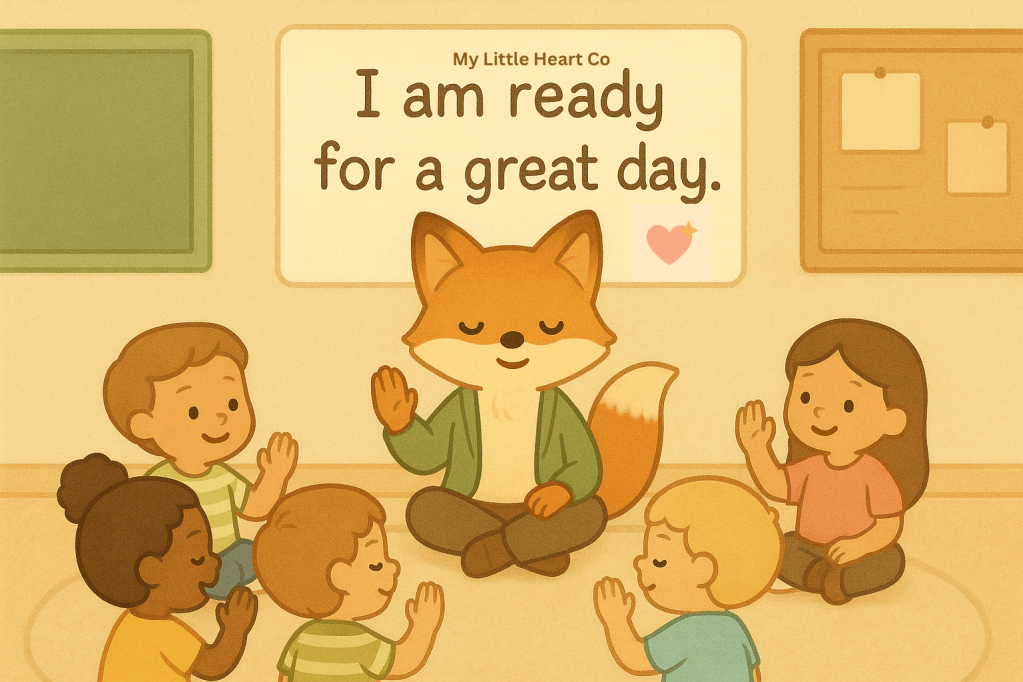
That year, I committed to making circle time different. Instead of rushing through stories, I turned them into springboards for discussion. After every book, we paused. I’d ask open-ended questions:
- How would you feel if that happened to you?
- What do you think the character should do next?
- Has something like this ever happened in your life?
At first, the quiet child said nothing. She simply listened, watching the other children share. But slowly, over weeks, she began to contribute. A few words at first. Then a full sentence. Then one day, she raised her hand before anyone else.
That moment was profound. The whole class leaned in. They listened. And she glowed with the realization: my voice matters.
It wasn’t a miracle that happened overnight. But through the rhythm of reading and conversation, this child finally felt seen, valued, and included. That transformation has stayed with me ever since.
Why I Began Creating Books That Spark Conversations
That experience changed me as a teacher. I realized that books were more than teaching tools—they were doorways to belonging.
I started paying attention to how much children thrived when given the chance to talk after reading. It wasn’t just about retelling the story. It was about connecting the book to their own lives, experiences, and feelings.
This is why I began creating my own books. Each story I write includes themes that encourage kids to:
- Reflect on emotions.
- Share personal experiences.
- Connect the story to real-life situations.
It became a daily routine:
- Read the story.
- Pause and invite discussion.
- Encourage children to lead the conversation.
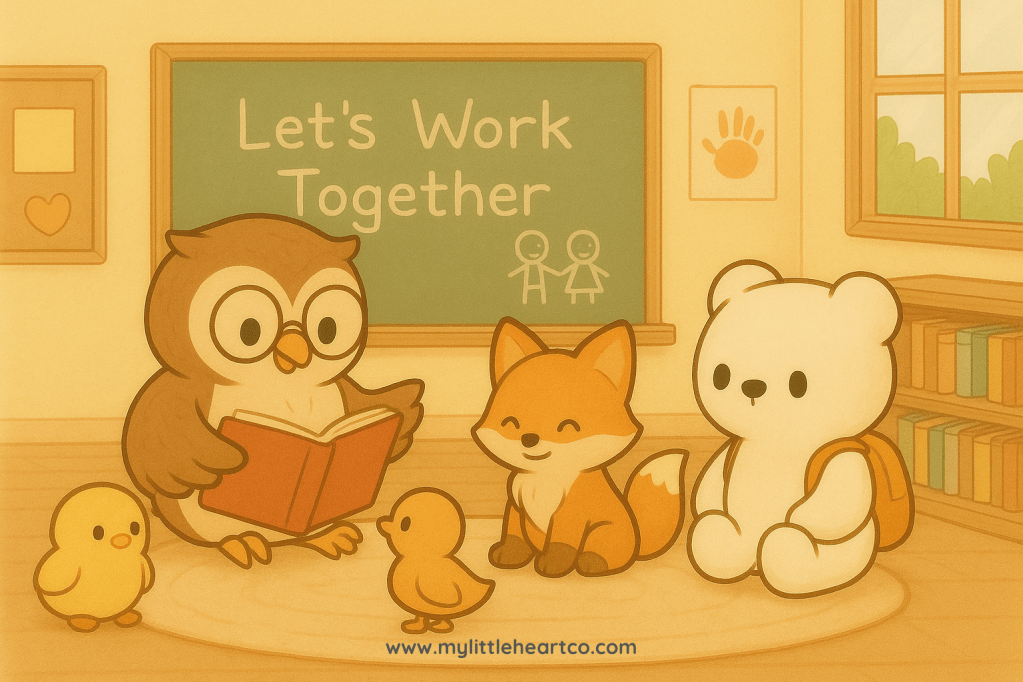
The beauty of this approach is that it shifts the classroom dynamic. I’m not the only voice. The students guide where the conversation goes, and often, they surprise me with insights beyond their years.
The Classroom as a Family: Bonding Through Books
When you create space for conversation, something beautiful happens: your classroom begins to feel like a family.
Children respect each other more because they hear each other’s voices daily. They start to notice when someone is quiet or upset. They celebrate each other’s successes and brainstorm solutions together.
In my own class, I saw friendships blossom between students who might never have spoken otherwise. A shy child found a best friend. A student prone to anger learned to calm down by listening to peers’ advice. A group of kids began encouraging one another without prompting.
Our class rules—like listening, showing kindness, and using gentle hands—were no longer just words on a chart. They became lived experiences, reinforced by the stories we read and the conversations we shared.
That shift is what made my classroom feel like a family. And I believe every child deserves to learn in an environment where they belong.
Overcoming Challenges with Circle Time Conversations
Every classroom has challenges. Some children struggle with behavior, some with attention, and others with confidence. Teachers juggle endless responsibilities while trying to keep the learning atmosphere positive.
What I found is that circle time conversations are not just nice—they’re powerful tools to overcome these challenges.
A Turn-Taking Challenge
One year, I had a student who constantly interrupted. Instead of only correcting him, we read a story about taking turns. During our discussion, his classmates gently reminded him, “You need to wait just like the character did.” Hearing it from peers made a bigger impact than hearing it from me.
A Problem-Solving Moment
Another child often cried when things didn’t go her way. After reading a book about problem-solving, she joined the discussion. She listened as classmates brainstormed what the character could do, and she began applying those same strategies in her own life.
A Home Connection
Perhaps the most powerful moment came when a parent told me their child had started using “circle time words” at home—asking their sibling, “How do you feel right now?” instead of fighting over a toy. That ripple effect showed me that these conversations don’t stay in the classroom. They change lives.
Why Early Learners Need Conversations, Not Just Lessons
It’s easy to assume that preschoolers are too young for deep conversations. But I’ve seen the opposite. Young children are natural philosophers. They’re constantly observing, questioning, and making sense of the world.
When we only lecture, children might hear the words, but they don’t always internalize them. Conversations, however, allow them to process information in their own words.
Educational frameworks like Social Emotional Learning (SEL) emphasize the importance of:
- Self-awareness (recognizing feelings).
- Social awareness (understanding others’ feelings).
- Relationship skills (listening, sharing, resolving conflict).
- Responsible decision-making (choosing kind, respectful actions).
Circle time conversations check all these boxes. When children discuss stories, they naturally build SEL skills. They practice empathy, communication, and problem-solving—all while enjoying the rhythm of storytelling.
And research backs this up. According to the Collaborative for Academic, Social, and Emotional Learning (CASEL), students who participate in SEL programs show improved classroom behavior, better attitudes toward school, and even higher academic performance.
Harvard’s Center on the Developing Child also notes that responsive conversations in early childhood help build strong brain connections that later support academic and social success. Something as simple as pausing to discuss a story is actually wiring the brain for empathy and communication.
Practical Tips for Teachers: How to Start Circle Time Conversations
If you’re a teacher, parent, or caregiver wondering how to start, here are some tips from my classroom:
1. Choose the Right Book
Pick stories with relatable themes—friendship, kindness, patience, courage, or problem-solving. A book like The Very Hungry Caterpillar can open doors to talking about patience, growth, and change.
2. Ask Open-Ended Questions
Instead of “What color was the dog?” try:
- How do you think the dog felt when he lost his toy?
- What would you do if you were in that situation?
- What do you think might happen next?
3. Encourage Every Voice
Some kids are natural talkers, while others need gentle encouragement. Invite quieter children to share by asking, “Would you like to add something?” without forcing them.
4. Model Listening
Show children how to listen respectfully. Nod, paraphrase their answers, and thank them for sharing. When children see you listening with care, they’ll do the same with each other.
5. Make It Routine
The magic happens when conversations are consistent. Over time, children anticipate this moment and open up more freely. Even the shyest students begin to look forward to sharing.
6. Use Visuals and Props
For younger learners, simple props can spark ideas. A stuffed animal “talking stick” or picture cards can help guide the conversation.
7. Connect to Classroom Rules
Tie conversations back to your rules. If a story is about kindness, end with: How can we show kindness in our classroom today? This creates a living link between literature and behavior.
How Parents Can Use Circle Time at Home
Circle time doesn’t have to stay in the classroom. Parents can bring this powerful tool into their homes, especially during bedtime reading.
Here’s how:
- After a story, ask: How would you feel if you were that character?
- At dinner, try: What was your favorite part of the day, and why?
- In the car, ask: What’s one way you can be a good friend today?
- On weekends, play: “Family Circle” where each person shares a high and low from the week.
These conversations may seem small, but they build habits of reflection and connection. Just like in the classroom, children at home learn that their voices are important.
Why I Share My Books and Resources
After seeing how powerful this approach was in my classroom, I knew I couldn’t keep it to myself.
That’s why I created books and printable resources designed specifically for early learners. They’re simple, fun, and always rooted in SEL principles. My goal is to support teachers who want to build classroom communities without adding to their already heavy workload.
I also offer free resources for subscribers—because I believe every child deserves access to tools that build confidence and connection.
Call to Action: Join the Journey
If you’re a teacher or parent who believes in the power of reading and conversation, I’d love to invite you to join this journey.
By subscribing, you’ll receive:
- Free SEL printables.
- Conversation prompts for circle time.
- Access to new story updates and classroom tips.
But more than that, you’ll be part of a movement—an effort to create classrooms and homes where every child feels seen, heard, and valued.
👉 Subscribe here to join our community!
Conclusion: The Power of Conversation
I often think back to that quiet little girl. Without circle time conversations, she might have gone unnoticed, her voice buried under silence. But through stories and dialogue, she blossomed. She discovered her confidence. She learned that her voice mattered.
And that’s the power of reading paired with conversation. It’s not just about academics. It’s about shaping kind, confident, and empathetic humans.
Every classroom can be transformed into a family. All it takes is a book, a little time, and the willingness to listen.
✨I’m building an all-exclusive FREE blog membership filled with behind-the-scenes updates, teacher tips, coloring freebies, and cozy sneak peeks of our Best Friends books.
To make this possible, l’ve opened a Ko-fi page where you can support my work. Every coffee helps fund the blog so we can keep sharing gentle, social-emotional learning resources for kids, teachers, and families-always free.













 My Little Hearts Co.
Leave a comment