
By: Angela Paschal, founder of My Little Heart Collection

Circle time is one of the most meaningful parts of the school day. It’s where students gather together, learn to listen, and share their voices. More than just a routine, circle time is the heartbeat of the classroom — the place where community is built.
As preschool and kindergarten teachers, we know circle time can be magical, but it can also be tricky. How do we help children talk about feelings like kindness, empathy, or forgiveness? One of the most effective ways is by combining stories and visuals. Together, they turn abstract ideas into something little learners can see, hear, and understand.
In this post, I’ll share how you can use stories and visuals to spark meaningful conversations about kindness, and give you a peek into my own storybook, Circle Time Surprise, and its matching activities.
🌱 Why Circle Time Matters for SEL
Circle time is more than a management tool — it’s an opportunity for social-emotional learning (SEL). Each day, children practice:
- Listening to others.
- Taking turns.
- Regulating big feelings.
- Building empathy and respect.
These daily practices lay the foundation for lifelong skills. When children know how to listen, respond kindly, and work through feelings, they are learning how to be part of a community. Circle time gives them a safe, consistent space to try these skills out.
When we add purposeful stories and visuals, circle time conversations become richer. Instead of abstract rules like “be kind,” children get to see kindness modeled and have a chance to talk about what it really means.
📚 Using Stories to Teach Kindness
Stories create a bridge between big ideas and little hearts. Characters become mirrors and windows: mirrors where children see themselves, and windows where they glimpse new perspectives.
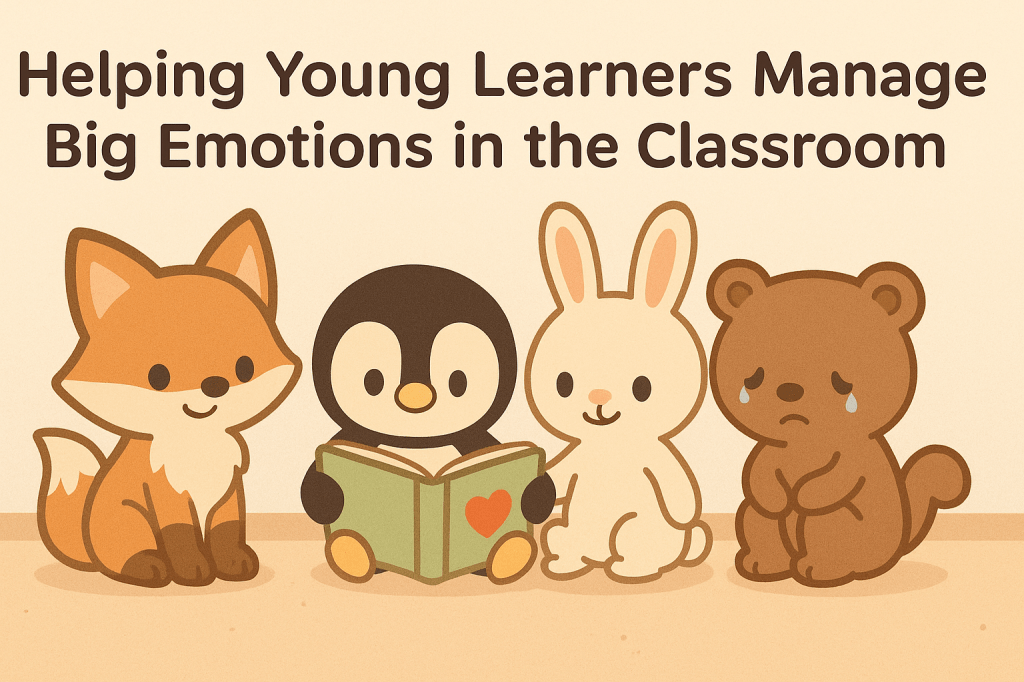
Take my story, Circle Time Surprise. In this tale, Squirrel feels embarrassed when his tail makes a noise during circle time. Flustered, he runs out of the classroom, leaving the circle unsettled. His friends — Fern, Percy, and Bree — realize how hurt he must have felt.
Here’s a short excerpt:
“We’re sorry we laughed,” said Fern with a sigh. “We care about you. We didn’t mean to make you cry.”
That simple moment of apology turns into a powerful conversation about empathy, forgiveness, and repairing friendships. Children see that mistakes happen — but so does kindness, when we take the time to make things right.
When I read this aloud in class, the children leaned forward. One student whispered, “I would hug him.” That opened the door to a conversation we never would have had if I’d only said, “Be kind.”
By sharing short excerpts like this during circle time, you invite children to talk: “How do you think Squirrel felt?” or “What could you do if this happened to a friend?” The story gives them the words and the courage to discuss feelings that can otherwise be hard to name.
🎨 Adding Visuals for Deeper Connection
Stories spark imagination, but visuals help anchor the lesson. Pairing a story with a poster, coloring page, or reflection card gives children another way to process what they’ve heard.
In Circle Time Surprise, I created matching coloring companions and activities:
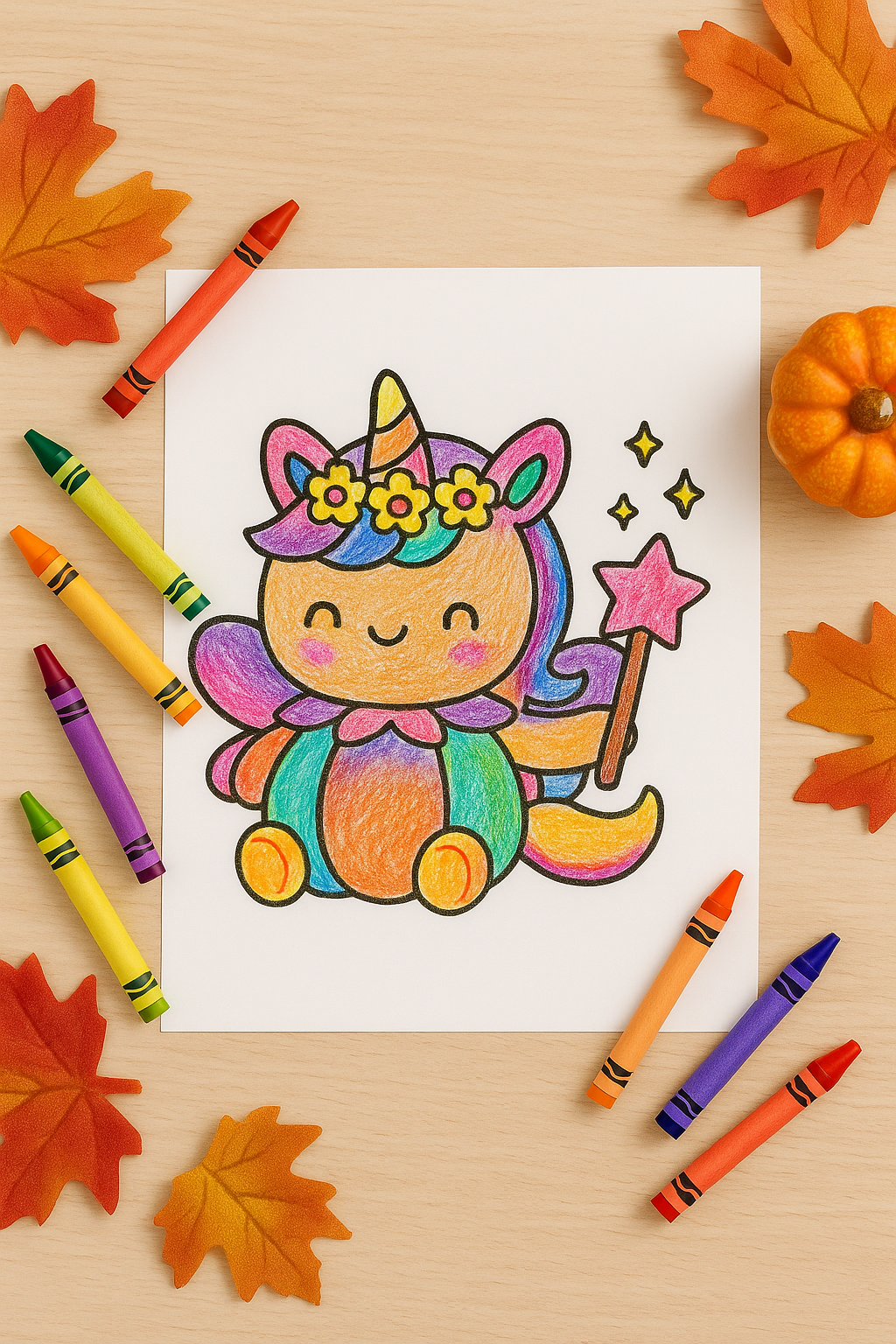
- 🖍️ Coloring pages that let children reflect quietly while still thinking about kindness.
- 🌟 Problem-solving steps posters that show what to do when mistakes happen.
- 💌 Certificates of kindness that celebrate positive choices.
Visuals allow children who may be shy to participate in a different way. They can point, color, or hold up an image to share their thoughts. And because visuals stay in the classroom, they serve as gentle reminders long after the story is over.
Other easy visual add-ons for teachers include:
- A “kindness tree” where students add leaves with kind actions they noticed.
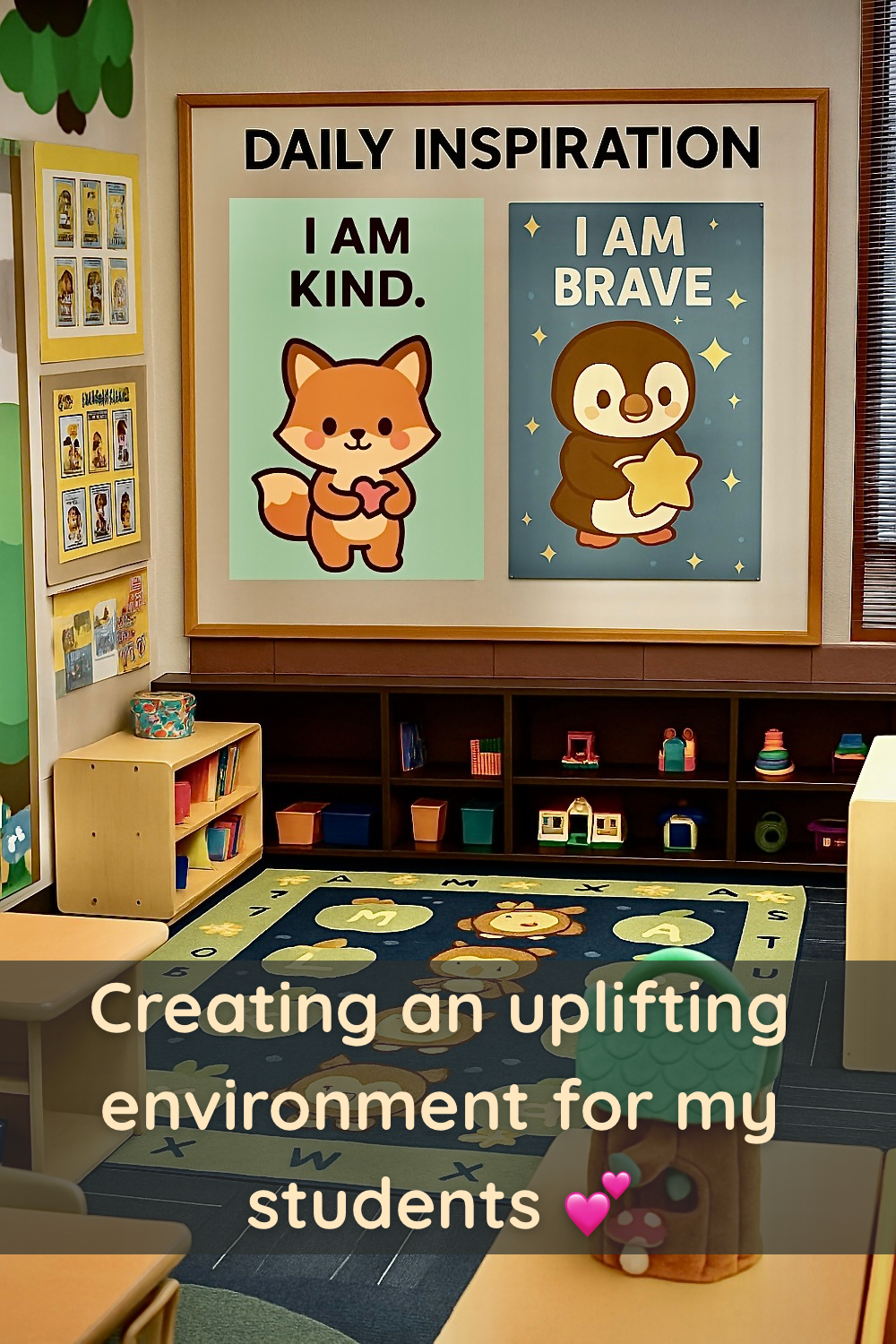
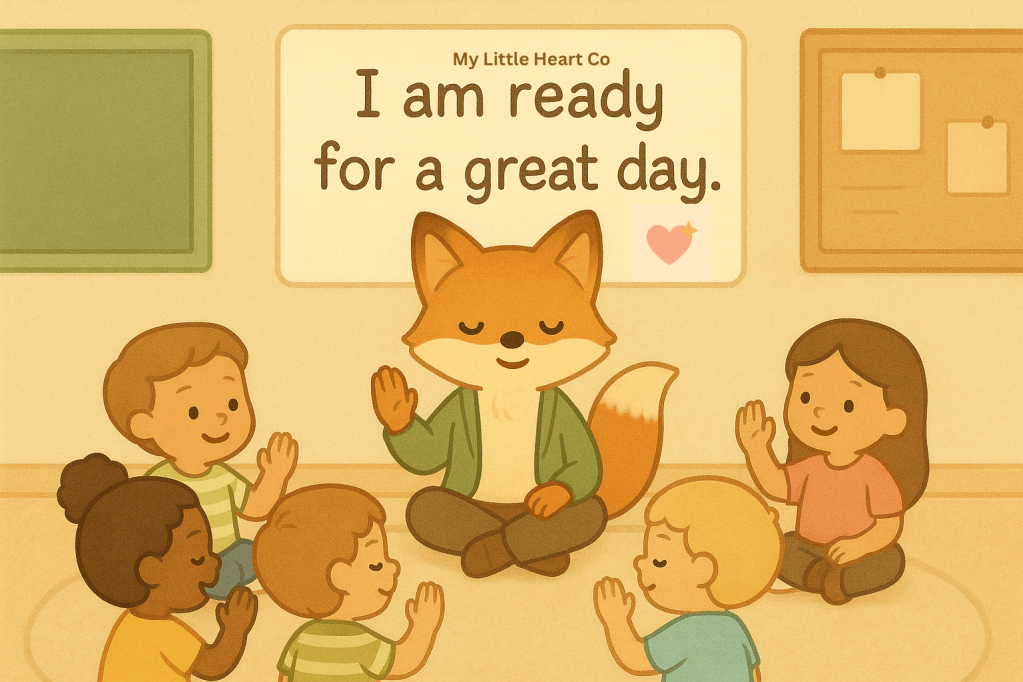
- Morning affirmations displayed on the rug area.
- Simple talking pieces (like a stuffed animal or special object) to pass around the circle.
These visuals make circle time hands-on, meaningful, and memorable.
💛 Making It Practical for Teachers
The best part? You don’t need to spend hours prepping. Circle time lessons can stay short and impactful with three easy steps:
- Read a story aloud. Pick one with a clear, relatable message (like kindness or listening).
- Pause for discussion. Ask open-ended questions: “How do you think they felt?” or “What would you do next?”
- Add a visual. Color a page, reference a poster, or send home a mini printable for families.
You can also extend circle time by making it student-led. Let children nominate a “kindness helper” of the day, or draw their own mini posters to display. These small steps build ownership and pride.
Circle time doesn’t need to be long — just consistent. Even five minutes with a story and visual can create lasting lessons.
🌟 The Little Heart Collection Bundles
If you’d like ready-to-use tools for circle time, I’ve created Circle Time Story + Coloring Bundles in The Little Heart Collection. Each bundle includes:
- A storybook with heart-centered characters like Fern, Percy, Bree, and Squirrel.
- Companion coloring pages and activities that reinforce SEL themes.
- Posters and certificates to extend the lesson beyond circle time.
Right now, these bundles are on sale in my TPT store — making it the perfect time to bring them into your classroom. They’re designed to save you prep time while giving your students meaningful, memorable lessons about kindness and empathy.
👉 You can explore the bundle here: [Insert TPT link]
✨ Final Thoughts
Circle time is more than gathering on the rug — it’s where we plant the seeds of kindness, empathy, and community. By weaving together stories and visuals, we help children see, feel, and practice what it means to care for one another.
Whether it’s through a heartfelt tale like Circle Time Surprise or a simple coloring companion, these moments become building blocks for a classroom where every child feels safe, seen, and valued.
So the next time you sit down in a circle, bring along a story and a visual — and watch the conversations about kindness bloom. 🌈
Written by Angela Paschal, founder of The Little Heart Collection – a brand dedicated to creating SEL stories, activities, and affirmations that help kids shine bright.













 My Little Hearts Co.
Leave a comment