
By Angela Paschal/ The Little Heart Collection

Children may be small, but their emotions are anything but. From the excitement of making a new friend to the frustration of losing a favorite toy, little ones experience the full range of feelings in big, powerful ways. The challenge is that they’re still learning the skills to understand and express those emotions in healthy ways.
At The Little Heart Collection, we believe that teaching kids to navigate their feelings can be gentle, joyful, and empowering. With the right tools and support, children can grow into confident, empathetic, and resilient individuals.
This blog will explore why emotional learning matters, simple strategies for parents and teachers, and how our resources can help little ones build emotional strength.
Why Big Feelings Matter in Early Childhood
Children’s emotions are just as real as adult emotions, even if they don’t always have the words to explain them. When we honor their feelings, we help them learn important life lessons:
- Confidence: Recognizing emotions builds self-awareness and a sense of identity.
- Friendship: Understanding feelings fosters empathy and connection with peers.
- Resilience: Kids learn coping strategies that will help them manage challenges later in life.
- Healthy Communication: Naming and sharing feelings prevents bottled-up frustration and encourages open dialogue.
Research shows that children who develop strong social-emotional skills early are more likely to succeed in school, form positive relationships, and manage stress as they grow.
Common Big Feelings Kids Experience
Every child is unique, but many big emotions show up again and again in early childhood. Some of the most common include:
- Frustration – when a task feels too hard or doesn’t go their way.
- Fear – of the dark, separation, or trying new things.
- Excitement – about birthdays, playdates, or new experiences.
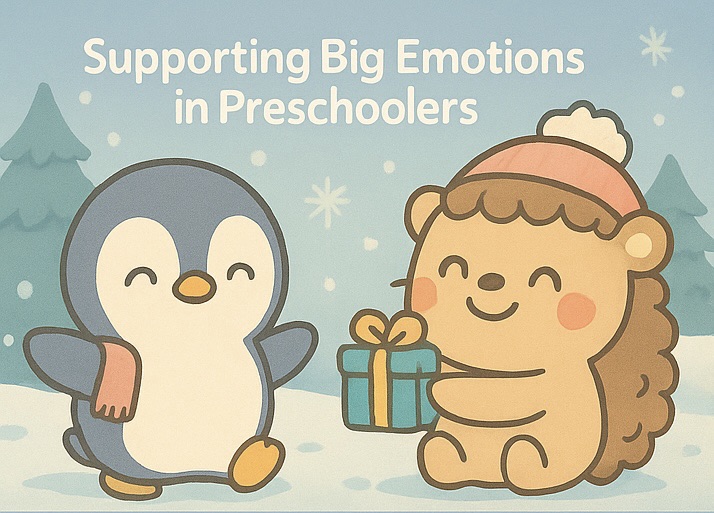
- Jealousy – when others receive attention or a special gift.
- Sadness – after losing a pet, missing a parent, or ending playtime.
- Anger – often shown through tantrums when kids feel powerless.
Recognizing these feelings and responding with patience sets the foundation for emotional growth.
Simple Strategies to Support Children’s Feelings
Here are some practical ways to help your little ones learn to manage their big emotions:
- Name the Feeling – Use simple, clear language: “It looks like you’re feeling sad,” or “You seem frustrated.”
- Model Calm Behavior – Children learn by watching us. Taking a deep breath, speaking gently, or pausing before reacting shows kids that emotions can be managed.
- Offer Choices – Providing small choices—like which snack to eat or which book to read—helps children regain a sense of control.
- Create a Cozy Space – A calm corner with pillows, coloring pages, or a favorite toy gives children a safe place to process their feelings.
- Use Stories and Play – Books, puppets, and role-play allow kids to explore emotions in a safe, imaginative way.
- Practice Mindfulness – Teach simple calming techniques like deep breathing, blowing bubbles slowly, or listening to soft music.
- Celebrate Kindness – When children show compassion or manage their feelings in healthy ways, acknowledge it with specific praise.
- Keep Routines Steady – Predictability helps children feel secure, reducing emotional overwhelm.
The Role of Adults in Modeling Emotions
Children learn far more from what we do than what we say. When adults show healthy ways to handle emotions, little ones absorb those lessons like sponges. For example, a parent might say, “I’m feeling a little stressed, so I’m going to take three deep breaths.” Or a teacher might pause and say, “I felt frustrated when the markers spilled, but I can clean it up and move on.”
These small moments are powerful. They show children that emotions are normal and that they don’t have to control us. By naming feelings out loud, demonstrating calm responses, and apologizing when mistakes happen, adults provide children with a living blueprint for emotional regulation.
When kids see trusted adults handle their feelings with patience, they begin to mirror those behaviors. This kind of modeling is one of the strongest ways to nurture resilience and empathy in young children.
Real-Life Example: Fern the Fox’s Sad Day
Imagine a preschooler named Fern who feels sad when her block tower falls. Instead of saying, “Don’t cry,” you might sit beside her and say, “I see you’re upset your tower fell. That was a lot of work. Would you like to try again together?”
This simple response validates her emotions, offers comfort, and gently encourages resilience.
The Connection Between Feelings and Learning
Emotions and learning are deeply connected. A child who feels anxious, upset, or unsafe has a harder time concentrating on lessons or remembering new information. On the other hand, when children feel calm and supported, their brains are more open to curiosity, problem-solving, and creativity.
That’s why social-emotional learning isn’t separate from academics—it’s the foundation for it. Simple practices like starting the day with a feelings check-in, reading a story about kindness, or offering a few minutes of quiet coloring can transform the classroom environment.
When children know their emotions are valued, they are more likely to take risks, try new skills, and persist through challenges. In this way, SEL doesn’t just help kids feel better—it helps them learn better.
Activities to Try at Home or in the Classroom
Parents and teachers can bring emotional learning to life with simple, engaging activities. Here are a few favorites:
- Feelings Wheel – Create or print a wheel with faces showing different emotions. Let children spin the wheel and point to how they feel today. This helps build vocabulary for emotions.
- Gratitude Jar – Keep a jar where kids can drop in notes or drawings of things they’re thankful for. Reading them together at the end of the week fosters positivity and reflection.
- Kindness Challenge – Set a daily or weekly kindness goal, such as “help a friend” or “say something encouraging.” Track progress with stickers or stars on a chart.
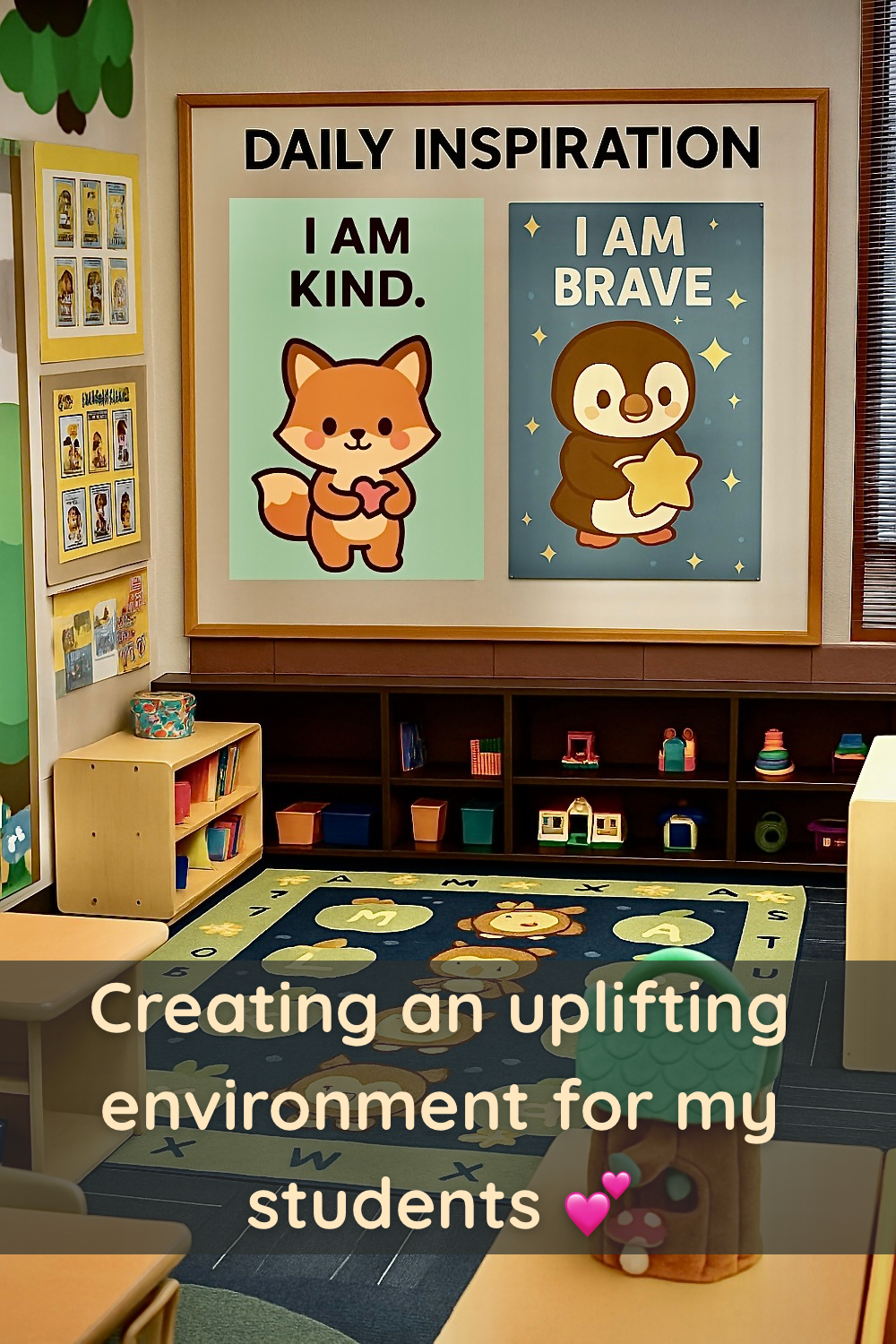
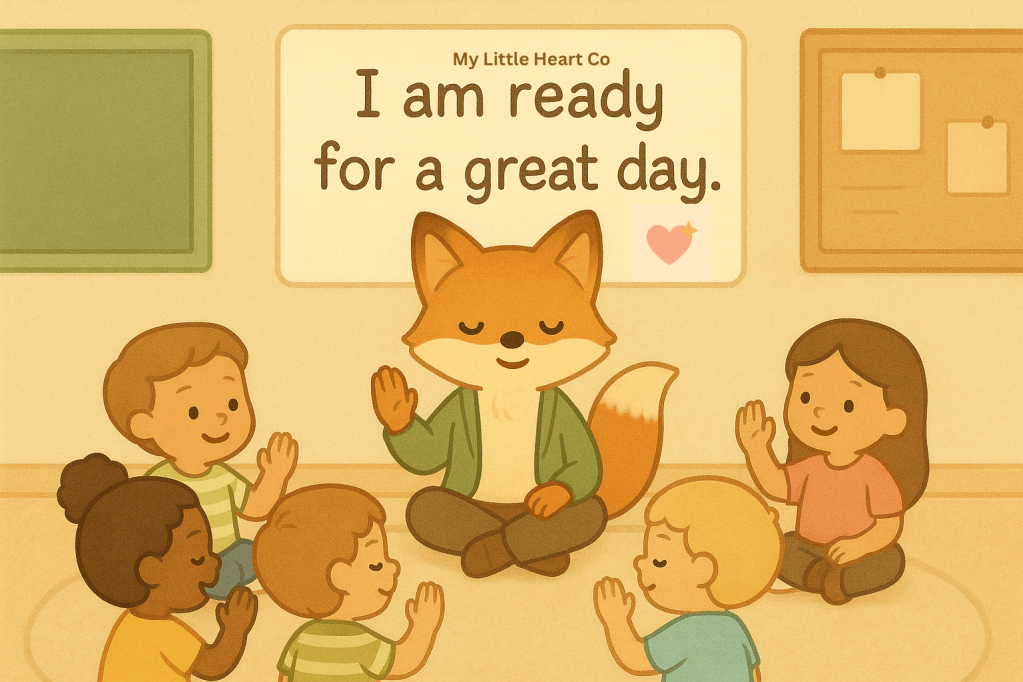
- Daily Affirmation Cards – Start the morning with short, positive statements like “I am kind,” “I am brave,” or “I can try again.” Saying these aloud helps boost self-confidence.
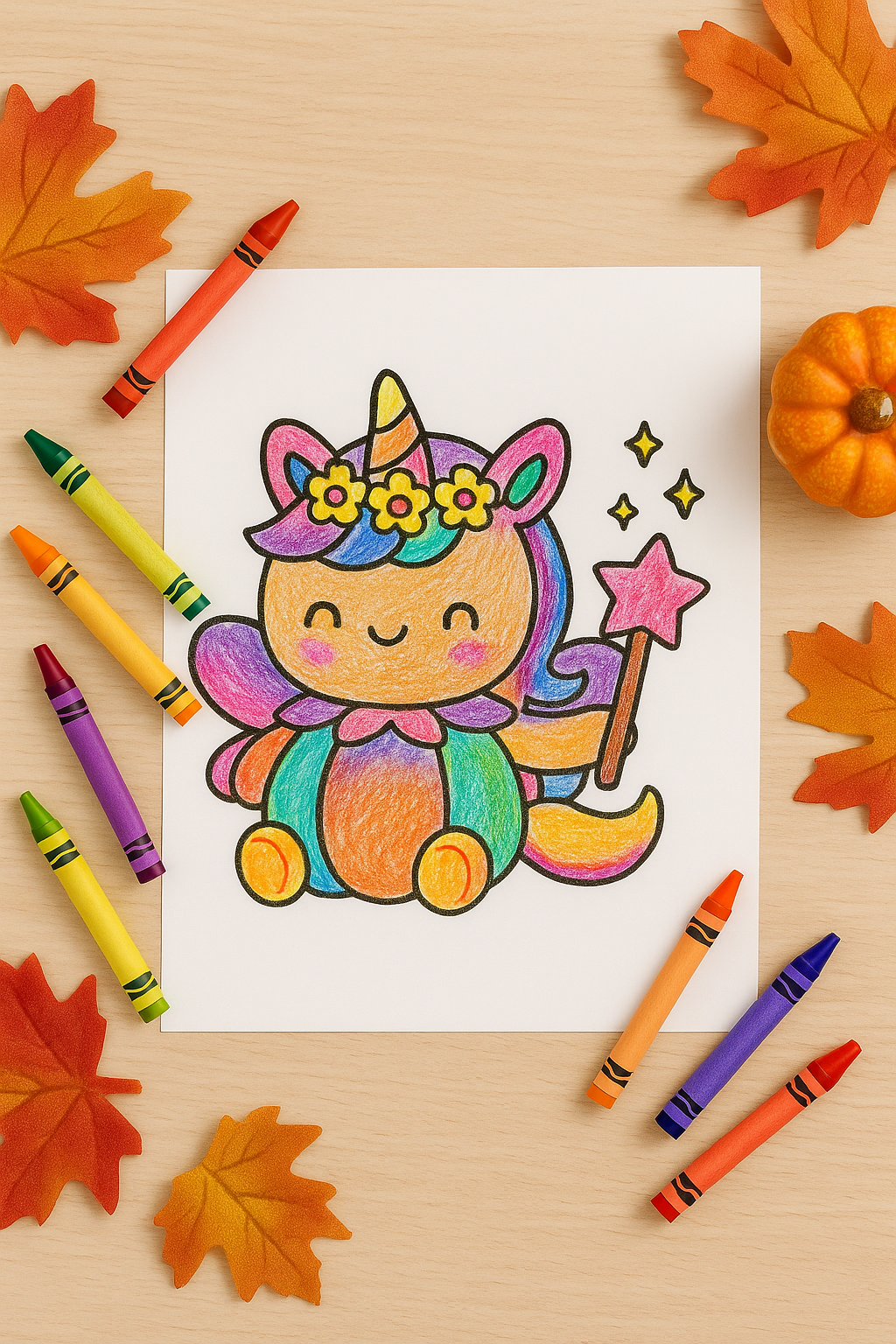
- Coloring for Calm – Provide thick-lined coloring pages or mandalas as a quiet activity for calming down. Many children process their feelings best when their hands are busy.
These activities don’t require fancy supplies—just creativity, consistency, and a little time. Over weeks and months, they help children build lifelong emotional tools.
How The Little Heart Collection Helps
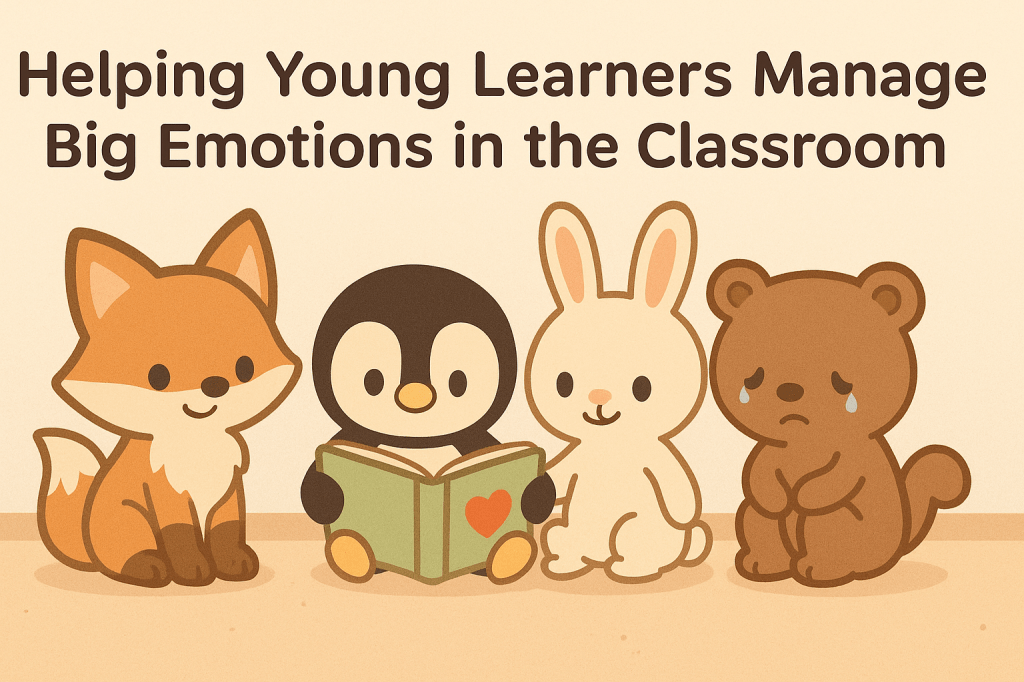
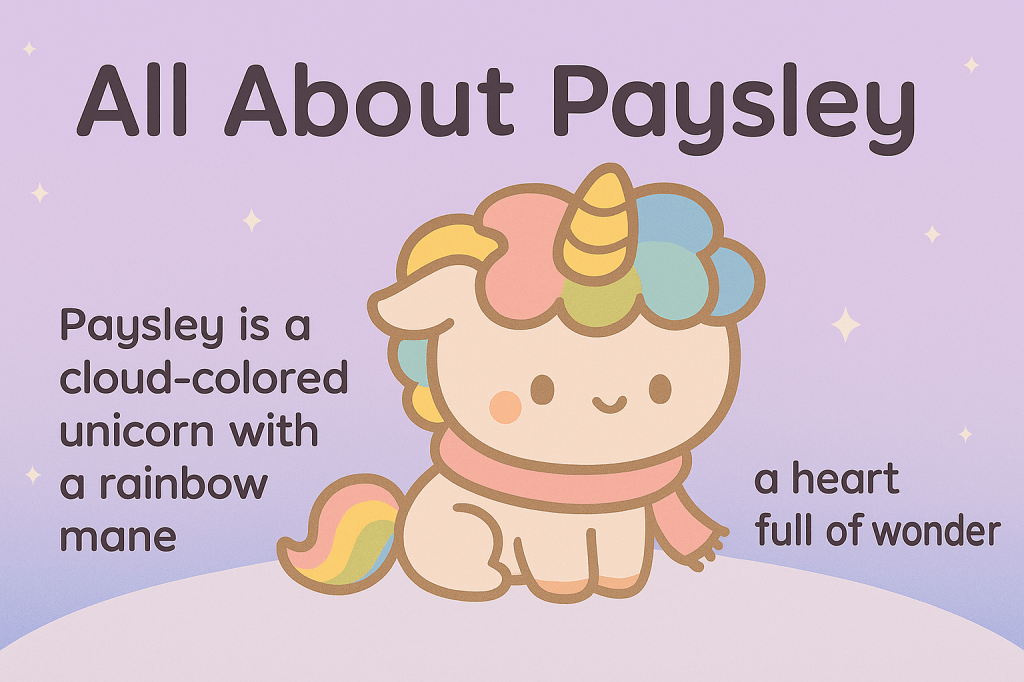
At The Little Heart Collection, we create resources to help parents and teachers bring emotional learning to life. Our books and activities feature lovable characters—like Fern the Fox, Percy the Penguin, and Paysley the Unicorn—who go through challenges children can relate to.
Here’s how our resources support emotional growth:
- Books with Heart: Gentle, uplifting stories that introduce SEL (Social-Emotional Learning) concepts like empathy, courage, and kindness.
- Printable Activities: Fun worksheets, reflection pages, and coloring sheets that give children a hands-on way to explore emotions.
- Kid-Friendly Illustrations: Soft pastels, bold outlines, and playful designs that invite creativity and engagement.
- Teacher-Friendly Design: Easy to print and use in classrooms, perfect for circle time or quiet reflection.
Why Parents and Teachers Love It
Parents tell us they love how our books open the door to meaningful conversations at home. Teachers appreciate that the resources are:
- Practical – Easy to integrate into lesson plans or morning meetings.
- Engaging – Characters kids love keep them motivated.
- SEL-Focused – Every page builds social-emotional awareness.
- Flexible – Suitable for both group activities and individual reflection.
One teacher shared, “My students connect with Percy and Fern right away. They see themselves in the stories and feel safe talking about their feelings.”
When to Seek Extra Support
While most emotional ups and downs are a natural part of growing up, sometimes children need additional support. If a child experiences frequent, intense meltdowns, ongoing anxiety, or difficulty connecting with peers, it may help to check in with a pediatrician, school counselor, or child therapist.
Seeking help isn’t a sign of failure—it’s an act of care. With the right guidance, children can develop stronger coping skills and thrive both emotionally and academically. Remember, no one has to navigate big feelings alone.
Final Thoughts
Helping little ones navigate big feelings isn’t about fixing every problem—it’s about giving children the tools and support to understand themselves. By naming emotions, modeling calm behavior, and using creative resources, we can help kids grow into kind, resilient, and confident individuals.
At The Little Heart Collection, our mission is to make social-emotional learning approachable and heartwarming. Whether through stories of bravery, coloring pages of kindness, or activities that spark reflection, we’re here to support parents, teachers, and the little hearts they love.
✨ Explore our Little Heart Collection resources today and bring courage, kindness, and connection into your child’s daily life.
Written by Angela Paschal, founder of The Little Heart Collection – a brand dedicated to creating SEL stories, activities, and affirmations that help kids shine bright.













 My Little Hearts Co.
Leave a comment