
By Angela Paschal/ The Little Heart Collection

Simple and effective tips to boost students’ self-esteem
Every child walks into the classroom with unique strengths, challenges, and insecurities. Some students shine with confidence, while others quietly doubt themselves. As teachers, we play a powerful role in nurturing self-esteem and showing students they are capable, valued, and worthy.
Confidence doesn’t just help children feel good—it directly impacts learning, participation, and resilience. When kids believe in themselves, they are more likely to raise their hands, take risks, and keep trying even when the work is tough.
In this post, we’ll explore five simple, effective strategies to build confidence in your classroom. Whether you teach preschool or early elementary, these ideas are easy to implement and create a lasting impact on your students’ self-worth.
Why Confidence Matters in the Classroom
Confidence is more than a personality trait—it’s a skill that can be taught and encouraged. Students with healthy self-esteem:
- Approach challenges with a growth mindset.
- Bounce back from setbacks more quickly.
- Build stronger relationships with peers.
- Are motivated to learn and take part in class.
Without confidence, students may hesitate to participate, avoid challenges, or withdraw socially. By weaving confidence-building practices into daily routines, teachers create a safe environment where every child can thrive.
1. Celebrate Effort, Not Just Results
One of the most effective ways to boost confidence is to focus on effort rather than perfection. Instead of praising only correct answers, celebrate the process:
- “I love how hard you worked on that problem.”
- “You didn’t give up even when it was tricky—great persistence!”
- “Your creativity really shines here.”
When children see that effort matters, they feel safe to take risks. Over time, this builds resilience and helps them understand that mistakes are part of learning.
Classroom Example:
Hang an “Effort Wall” where students can post examples of their work—whether it’s finished or still in progress. The wall becomes a celebration of persistence, not just polished outcomes.
2. Create Opportunities for Student Voice
Confidence grows when children know their voices matter. Encourage students to share their thoughts, opinions, and ideas in ways that feel safe.
Strategies:
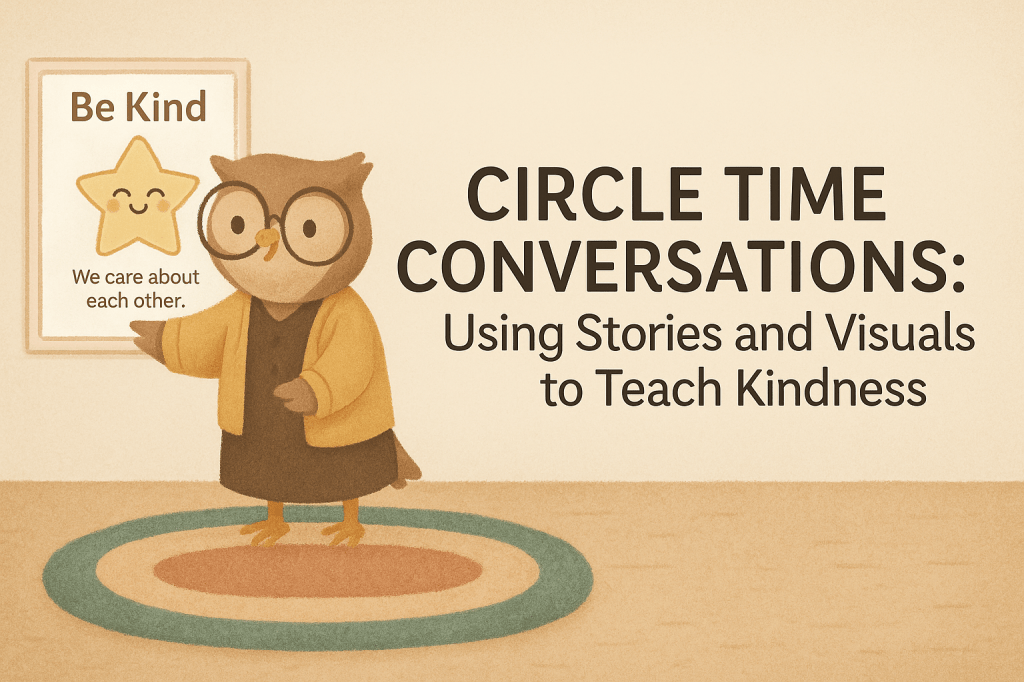
- Use morning meetings or circle time to let each child share something small, like a favorite activity or a goal for the day.
- Rotate classroom “helper” roles so every student has the chance to lead.
- Encourage students to ask questions and affirm that curiosity is valuable.
Classroom Example:
Introduce a “Question of the Day” where students answer with a quick drawing or sentence on a sticky note. Post the notes on a board to show that every idea contributes to the classroom community.
3. Provide Positive Affirmations and Feedback
The words we use as educators shape how children see themselves. Thoughtful, specific praise goes a long way in boosting self-esteem. Instead of generic compliments like “good job,” try affirmations that highlight effort, kindness, or growth.
Examples of Positive Affirmations for Kids:
- “I can do hard things.”
- “My ideas matter.”
- “I am a kind friend.”
- “I believe in myself.”
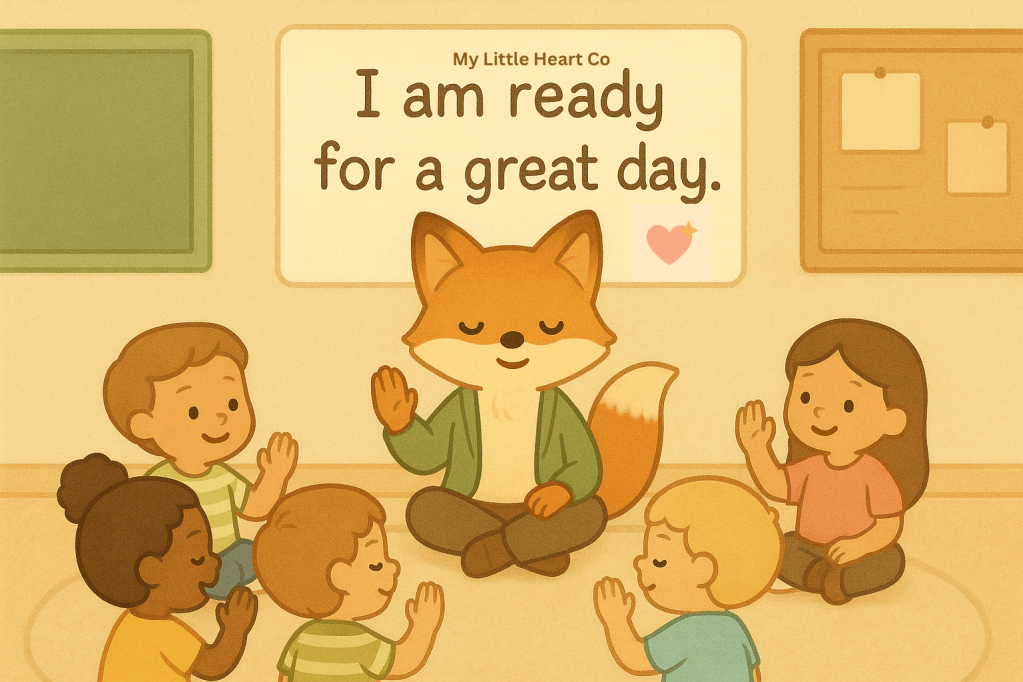
Teachers can lead a daily affirmation practice where the class repeats one phrase together. This builds a collective culture of confidence while helping students internalize positive self-talk.
Classroom Example:
Create Affirmation Cards for students to pick from each morning. Have them read their card aloud or quietly reflect on it as a confidence booster to start the day.
4. Foster Peer Encouragement
Confidence isn’t built in isolation—it grows in community. When classmates cheer each other on, it creates a supportive atmosphere where everyone feels valued.
Ideas for Peer Encouragement:
- “Compliment Circles” where students share something kind about the person next to them.
- “Shout-Out Boards” where kids write notes of encouragement for their peers.
- Partner activities that focus on collaboration instead of competition.
Classroom Example:
Try “Kindness Tickets.” When students notice a classmate showing effort, bravery, or kindness, they can give them a ticket with a positive note. Collect tickets in a class jar and celebrate together at the end of the week.
5. Set Achievable Goals and Celebrate Progress
Children feel most confident when they can see their growth over time. Setting small, attainable goals helps students build momentum and pride in their progress.
Tips for Goal-Setting:
- Break larger skills into smaller, manageable steps.
- Help students track progress with charts, stickers, or visuals.
- Celebrate milestones with encouragement rather than comparison.
Classroom Example:
Introduce a “Bravery Board.” Each time a student tries something new—whether reading aloud, solving a tough math problem, or making a new friend—they add a star to the board. Over time, the board fills with reminders of every child’s courage.
The Role of Teachers in Building Confidence
Confidence-building isn’t about grand gestures—it’s about consistent, everyday practices. The way you greet your students, the tone you use when giving feedback, and the space you create for mistakes all send messages about their worth.
As teachers, we’re not just teaching academics—we’re shaping how children view themselves as learners and as people. When we invest in confidence, we’re investing in their future success, relationships, and happiness.
Real-Life Example: Percy the Penguin Finds His Voice
In The Little Heart Collection, Percy the Penguin often feels shy and unsure. In one story, he hesitates to share his idea during circle time. With encouragement from his friends, he speaks up and discovers that his voice matters.
Just like Percy, many children need gentle nudges and safe opportunities to try. By celebrating their bravery and creating supportive environments, we help them find their voice and grow their confidence.
Practical Activities for Teachers
Here are a few confidence-boosting activities you can try right away:
- Confidence Jars – Each student writes something they’re proud of on a slip of paper and adds it to their jar. Review during tough days as a reminder of progress.
- Show-and-Share Strengths – Invite students to share a talent or hobby with the class.
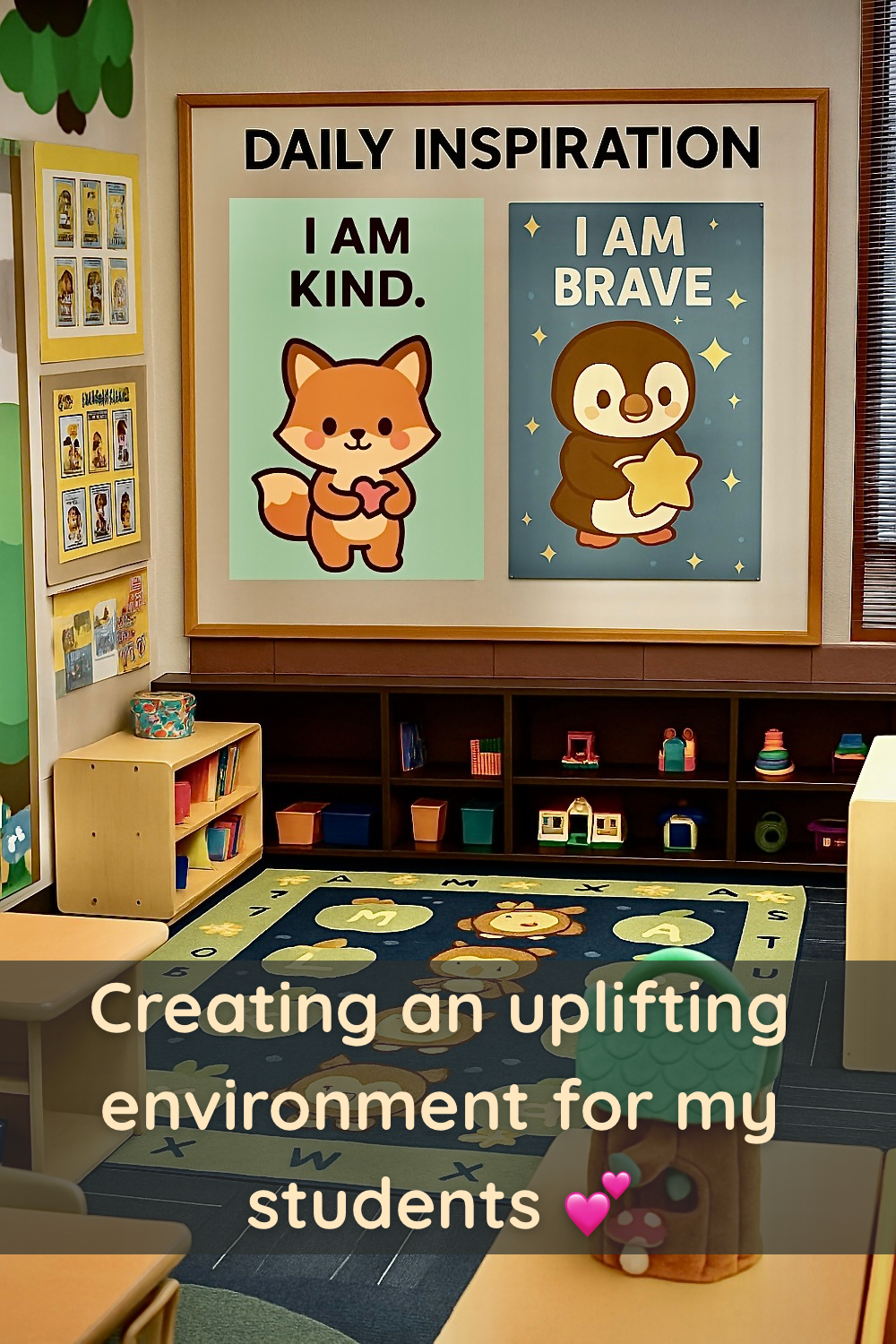
- Affirmation Art – Have students design posters with affirmations like “I am brave” to decorate the classroom walls.
- Mirror Messages – Place sticky notes with positive messages on the classroom mirror for students to see each morning.
- Student of the Day – Spotlight one student each day with compliments from peers.
These small practices remind children daily that they are capable, loved, and growing.
When to Offer Extra Support
If a student consistently struggles with confidence—avoiding participation, doubting themselves, or showing high levels of anxiety—it may be helpful to collaborate with families, school counselors, or specialists. With the right support, even the most hesitant learners can thrive.
Remember, seeking help isn’t about weakness—it’s about providing children with every opportunity to succeed.
A Quick Reflection for Teachers
At the end of each week, take a moment to reflect: Which student showed a spark of new confidence? What strategy worked best for encouraging risk-taking? By jotting these down in a journal or sharing with colleagues, teachers can notice small wins and refine their approach.
Confidence doesn’t grow overnight—it blossoms through everyday moments of encouragement, consistency, and love. When teachers celebrate these small steps, they not only inspire students but also strengthen their own joy and purpose in the classroom.
Final Thoughts
Confidence is the foundation for learning, growth, and connection. By celebrating effort, amplifying student voices, modeling positive self-talk, fostering peer encouragement, and setting achievable goals, we can help every child shine.
At The Little Heart Collection, we create resources that nurture confidence and kindness through stories, activities, and lovable characters. Our mission is to make social-emotional learning approachable and heartwarming for teachers and families alike.
✨ Explore our Little Heart Collection resources to find tools that bring courage and confidence into your classroom today.
Written by Angela Paschal, founder of The Little Heart Collection – a brand dedicated to creating SEL stories, activities, and affirmations that help kids shine bright.


















 My Little Hearts Co.
Leave a comment