
By: Angela Paschal, founder of My Little Heart Co
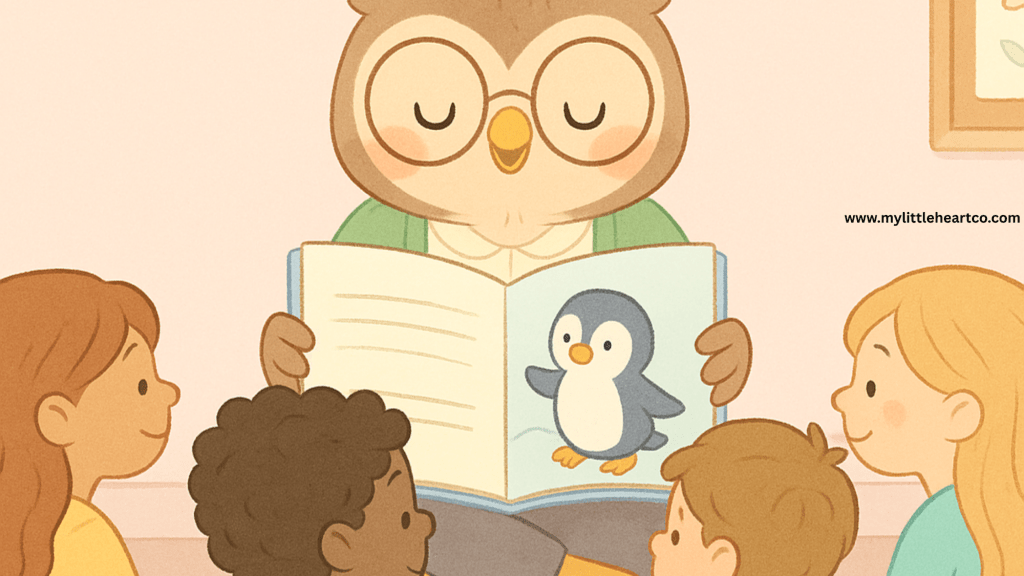
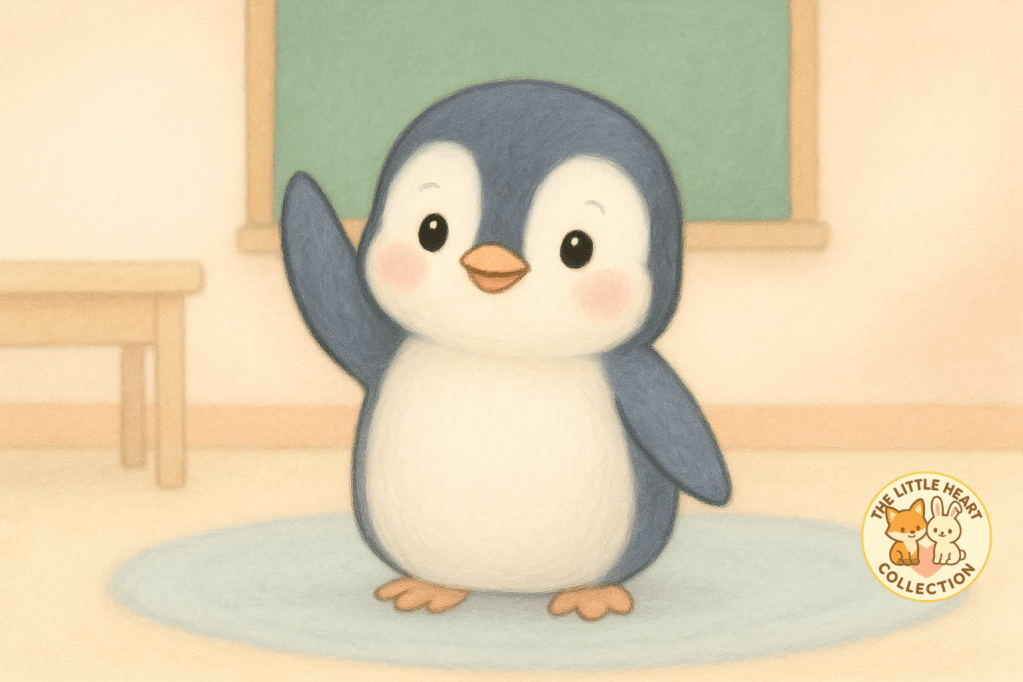
It’s circle time, and twenty pairs of little eyes are looking at me expectantly. In my hands, I’m holding Percy the Penguin’s One Wish.
As I start to read, Percy waddles through the snow in search of something special. I watch my students’ faces — a few smiles, a furrowed brow, one little hand pressed to a cheek. Then we reach the part where Percy feels left out when his friends are busy, and the room goes still.
“That happened to me at recess yesterday,” whispers Mia, eyes down.
“What did you do, Mia?” I ask gently, pausing the story.
“I sat by the tree. But then Lily came over and gave me her chalk.”
In that moment, I see it — the connection between a character’s feelings and a child’s real-life experience. This is why I use short stories to teach social-emotional learning (SEL). It’s not just about reading a book; it’s about giving children a safe space to explore feelings, relationships, and choices.
Why Short Stories Are Powerful for SEL
Over my years of teaching, I’ve discovered that short, engaging stories are one of the easiest, most effective ways to bring SEL into the classroom. Young children naturally connect to stories — they’ve been wired to listen, imagine, and empathize since before they could read.
Short stories have a sweet spot for early learners. They’re long enough to carry a meaningful message, yet short enough to hold attention spans and fit neatly into the unpredictable rhythm of a school day.
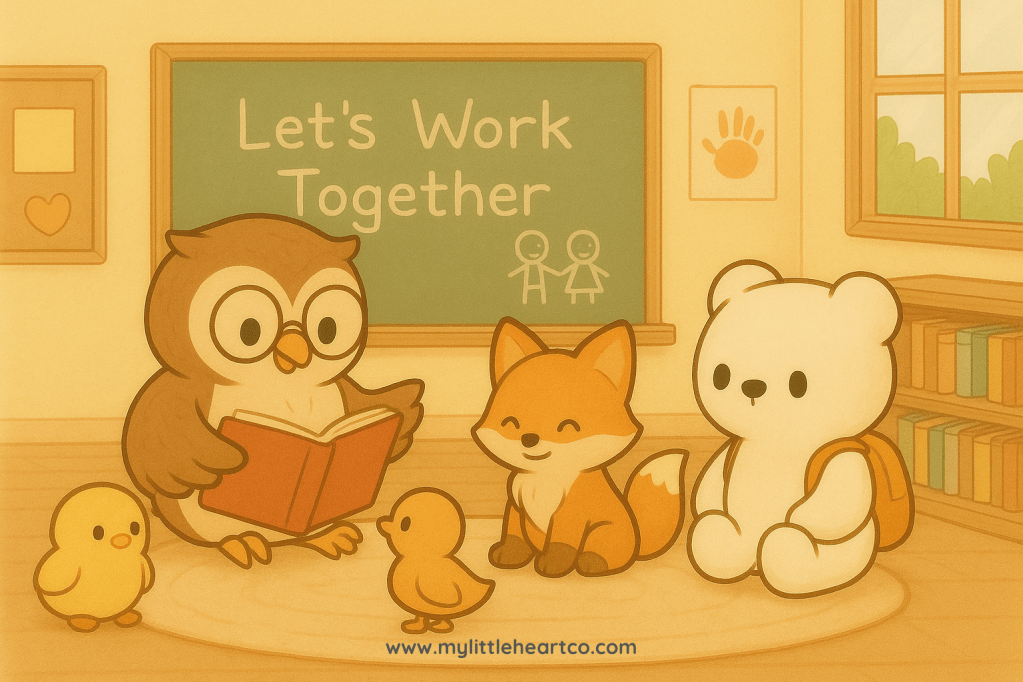
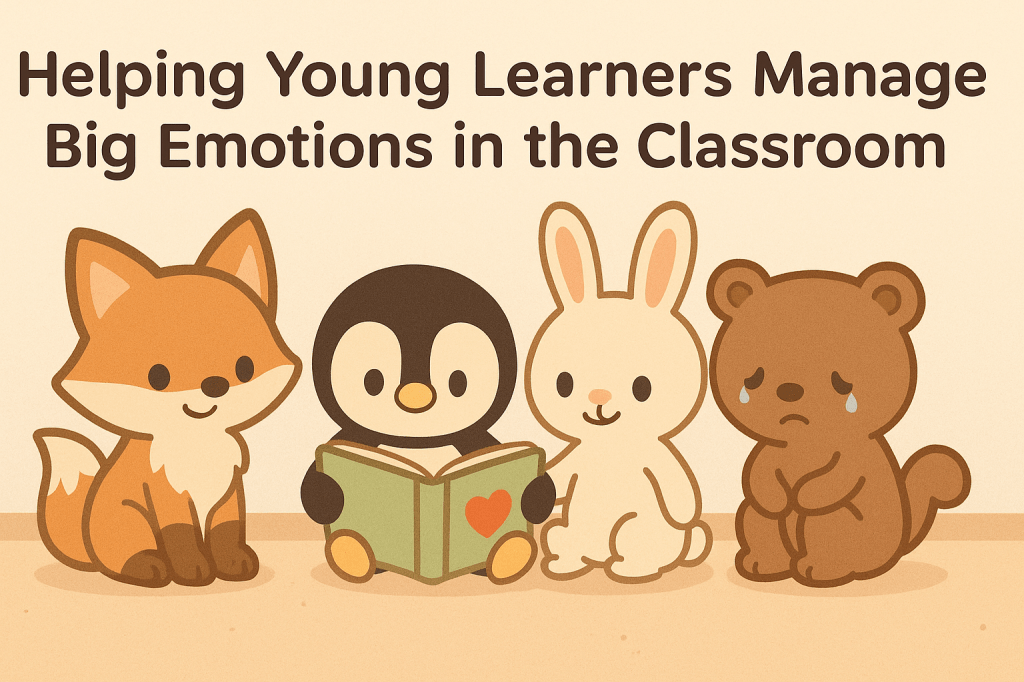
When I use characters like Percy the Penguin, Fern the Fox, or Bree the Bunny, my students see pieces of themselves. They watch a character struggle with a problem, make a choice, and learn something — all without feeling the pressure of talking about their own mistakes or worries right away.
Stories create a safe layer. Instead of asking, “Why did you do that?” after a playground argument, I can read about a character who faced a similar problem and ask, “What should Percy do next?” This opens the door for honest, thoughtful answers that often reflect the child’s own feelings.
The Magic of Read-Alouds
Reading aloud is more than just a literacy activity — it’s a relationship-building moment. When I read a story out loud, my voice, pacing, and expression help the children feel the emotions in the text. They hear the wobble in my voice when a character is sad. They notice the pause before a big decision.
I’ll never forget one day when I read Circle Time Surprise. In the story, Fern the Fox feels embarrassed when her friends laugh. I stopped reading just as Fern looked down at the floor.
“Why is Fern looking down?” I asked.
“She’s sad,” Ethan answered softly. “I do that when I don’t want people to see my face.”
That small moment led to one of the most heartfelt conversations we’d had all month about how we act when we’re feeling embarrassed — and how friends can help us feel better.
Read-alouds create these moments because they slow us down. Children get to live in the story world for a few minutes, making space for empathy and connection to grow.
Why Short Stories Fit Busy Schedules
We all know the reality of teaching: there’s never enough time in the day. Between transitions, snack breaks, and unexpected interruptions, finding time for SEL lessons can feel impossible.
Short stories fit beautifully into these little pockets of the day. A 5–10 minute read-aloud can happen:
- During morning meeting
- Right after recess to help everyone reset
- Before dismissal as a calm, reflective close
- In the middle of a tricky day as a reset
Even when I’m pressed for time, I can read a short story, ask one thoughtful question, and let that spark a quick but meaningful conversation. Over time, these little moments stack up into lasting skills.
Practical Tips for Using Short Stories to Teach SEL
If you’re looking to make your read-alouds more purposeful for SEL, here are a few strategies that work in my classroom:
1. Choose relatable characters and situations
Pick stories where the character faces a problem your students might encounter: sharing toys, feeling nervous, handling a mistake.
2. Pause for “thinking” questions
Ask one or two simple, open-ended questions during the story:
- “How do you think Percy feels right now?”
- “What could Bree do to help?”
This keeps children engaged and encourages empathy without putting anyone on the spot about their own experiences.
3. Offer discussion prompts afterward
I love using simple prompt cards after a read-aloud. They might ask, “What was the kindest thing in the story?” or “What would you do differently?”
4. Make it interactive
Invite children to act out a part of the story, draw their favorite moment, or retell it with puppets. These activities deepen comprehension and help SEL lessons stick.
5. Keep a story basket ready
I keep a small basket of SEL-friendly books by our calm corner. If a child needs a break, they can choose a story to read quietly — often it’s just what they need to reset.
Bringing Families Into the Storytelling Process
One of my favorite ways to make SEL learning stick is by involving families in the storytelling process. After all, the conversations we start in the classroom can grow even deeper when they continue at home.
I often send children home with a short “story share” slip — just a simple note that says, “Ask me about the story we read today!” and a question for caregivers to ask, like:
- “What was Percy’s wish, and how did he feel when it came true?”
- “What was the kindest thing Bree did in the story?”
These little prompts turn a dinnertime chat or bedtime snuggle into an extension of our SEL lesson. Parents have told me they’re amazed by the insights their children share when they’re given an open-ended question.
You can also encourage families to create their own short stories together. They don’t have to be fancy — a made-up adventure about a favorite stuffed animal can spark wonderful conversations about friendship, kindness, and problem-solving.
Your SEL Toolkit: Stories + Discussion Prompts
If you’re looking for ready-to-use tools, my own character storybooks are designed with these moments in mind. Percy the Penguin’s One Wish, Circle Time Surprise, and Love Bear each tackle different SEL skills, from handling disappointment to building kindness and confidence.
To make it even easier, I’ve created free discussion prompts that pair with each story. These prompts are short, simple, and perfect for sparking conversation right after a read-aloud. You can download them here and try them with your class or at home.
Why This Works
When we use stories to teach SEL, we’re not lecturing or telling children how they should behave. We’re inviting them to step into a character’s shoes, feel what they feel, and think through their choices.
This approach builds empathy, problem-solving skills, and self-awareness — and it works across age groups and settings. Whether you’re teaching in a busy classroom or reading at bedtime, stories offer a bridge between big feelings and safe conversations.
Final Encouragement
If you’ve ever wondered whether those five minutes of storytime really make a difference, let me assure you: they do.
When a child says, “That’s how I felt when my friend moved away,” or “I think I could try what Percy did,” you’re witnessing SEL in action.
You don’t need an hour-long lesson to make an impact. You just need a story, a little time, and the willingness to listen.
And sometimes, that’s all a child needs to feel seen, understood, and ready to grow.
Written by Angela Paschal, founder of The Little Heart Collection – a brand dedicated to creating SEL stories, activities, and affirmations that help kids shine bright.














 My Little Hearts Co.
Leave a comment