
Featuring new characters Pip & Lumi
By: Angela Paschal, founder of My Little Heart Co
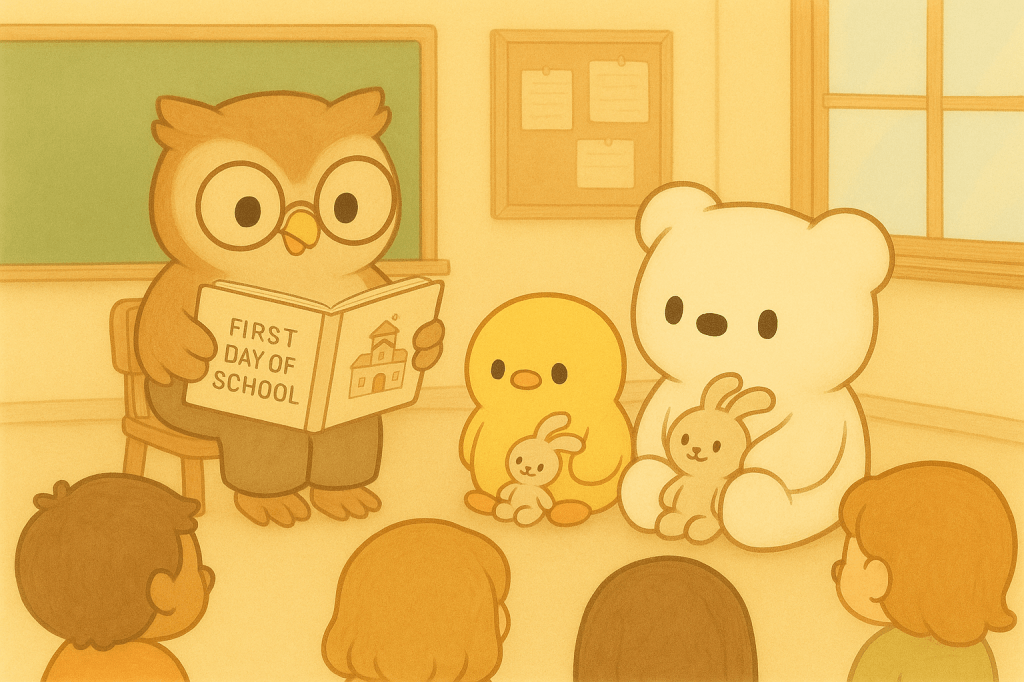
I’ve met so many children who begin the school year with a brave smile that hides a nervous heart.
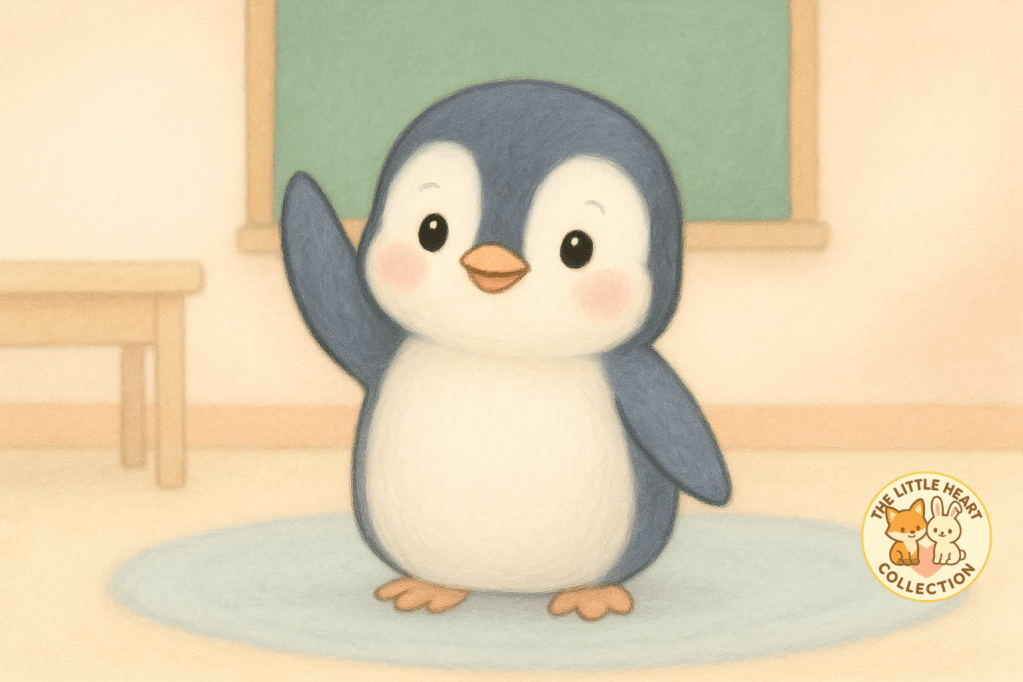
It was the first day of school, and the hallway hummed with the sound of backpacks zipping, shoes shuffling, and teachers greeting students. At the classroom door, Pip stood very still, clutching his soft toy Lumi to his chest. His feathers fluffed a little in the morning air, and his round eyes scanned the room full of children he didn’t know.
I crouched down to his level.
“Good morning, Pip. I’m so glad you’re here. Is this Lumi?”
He gave a small nod, tightening his hold.
“Would Lumi like to sit with us for our first story?” I asked.
After a tiny pause, Pip stepped forward, one small foot at a time, with Lumi still safely in his arms.
In that moment, I was reminded of how many children—like Pip—start school feeling nervous, shy, or unsure. Those big feelings are natural, but they can also make the start of the year overwhelming. The good news? With a few intentional strategies, we can help children move from clinging at the doorway to participating with confidence.
Why Children Feel Nervous at School
Nervousness about school can look different for every child, but it often comes from a few common places:
- Separation anxiety: Being apart from family or a trusted caregiver can feel like a big leap, especially for young learners.
- Shyness in new settings: Meeting new classmates and teachers can be intimidating.
- Adjusting to routines: The structure of the school day can be very different from what a child is used to at home.
- Fear of the unknown: Not knowing where to sit, what to do, or how to join in can leave a child feeling unsettled.
It’s important for educators and parents to remember that these feelings are not a sign of weakness. In fact, navigating them—with the right support—can help children develop resilience, problem-solving skills, and a sense of self-trust.
Recognizing Signs of Nervousness
Sometimes a child will tell you they feel scared or nervous. Other times, you’ll see it in their behavior:
- Clinging to a caregiver or comfort object (like Pip holding Lumi)
- Avoiding eye contact
- Speaking in a whisper or not speaking at all
- Staying on the edge of the group instead of joining in
- Fidgeting, rocking, or holding their body very still
- Tearfulness or sudden withdrawal from activities
Spotting these signs early means you can step in with comfort, reassurance, and a plan to help them feel safe.
Classroom Strategies That Help
1. A Warm, Predictable Welcome
Greeting each child by name and with a smile shows them they’re seen and valued. For nervous children, it’s helpful to pair this with a small, consistent routine—such as choosing a greeting from a “welcome board” or putting their name card in a basket.
2. Comfort Objects Are Okay
Allowing a child to bring a comfort object (like Lumi) during the transition period can help them feel secure. Over time, they may naturally set it aside as their confidence grows.
3. A Calm Corner or “Safe Spot”
Designating a quiet area where children can go to regroup helps them self-regulate without feeling like they’re “in trouble.” Stock it with soft cushions, calming visuals, and a few SEL books.
4. A Classroom Buddy System
Pairing a nervous child with a kind, welcoming peer can make a world of difference. A buddy can help with small tasks, introduce them to classmates, and show them where things are.
5. Read-Alouds That Reflect Their Feelings
Stories featuring characters who feel nervous—and then find ways to feel brave—can help children see themselves in a safe, playful way. When I read a story about Pip’s first day, children often chime in with their own “first-day” feelings.
Helping the Whole Class Support a Nervous Child
While one-on-one support is important, helping classmates understand how to welcome a nervous friend can make the transition much smoother.
I like to use short role-play activities during morning meeting. We might pretend that “Pip” is feeling shy and brainstorm ways to help. Children suggest everything from inviting him to play to showing him where the markers are.
Another idea is to create a “Kindness Challenge” chart. Each time a student does something to help a classmate feel included, they add a star. Over time, the class can see how small acts add up to a big difference.
When children learn that they can be part of the solution, they often step into leadership roles — and the nervous child starts to feel like they belong much faster.
Classroom Dialogue Example
“Why is Pip holding Lumi so tight?” I ask during a read-aloud.
“Because he’s scared,” a student answers.
“What could we do to help him feel safe?”
Hands shoot up: “Sit next to him!” “Show him where the crayons are!”
Through the story, we’ve just created a group brainstorm for kindness.
Home Strategies That Help
While teachers set the tone in the classroom, families can play a huge role in easing first-day jitters and ongoing school anxiety.
1. Morning Connection Rituals
A quick, consistent “goodbye routine” can help a child feel secure. This might be a hug, a handshake, or a short affirmation like, “You’re going to have a great day, and I’ll see you after school.”
2. Practicing “Brave Thoughts”
Encourage your child to replace nervous thoughts with affirming ones:
- Nervous thought: “I don’t know anyone.”
- Brave thought: “I can make one new friend today.”
3. Previewing the Day
Talking through what to expect—drop-off, morning activities, lunch, pickup—helps remove the fear of the unknown.
4. Bedtime Conversations
Bedtime can be a perfect time to connect about the day and prepare for tomorrow.
Parent–Child Dialogue Example
Parent: “What’s something that felt tricky today?”
Child: “When I had to sit at a new table.”
Parent: “I can understand that. What helped you feel better?”
Child: “Lumi was with me, and my buddy showed me where the glue sticks were.”
This gentle conversation validates the child’s feelings while highlighting strategies that worked.
Your SEL Toolkit: Pip & Lumi
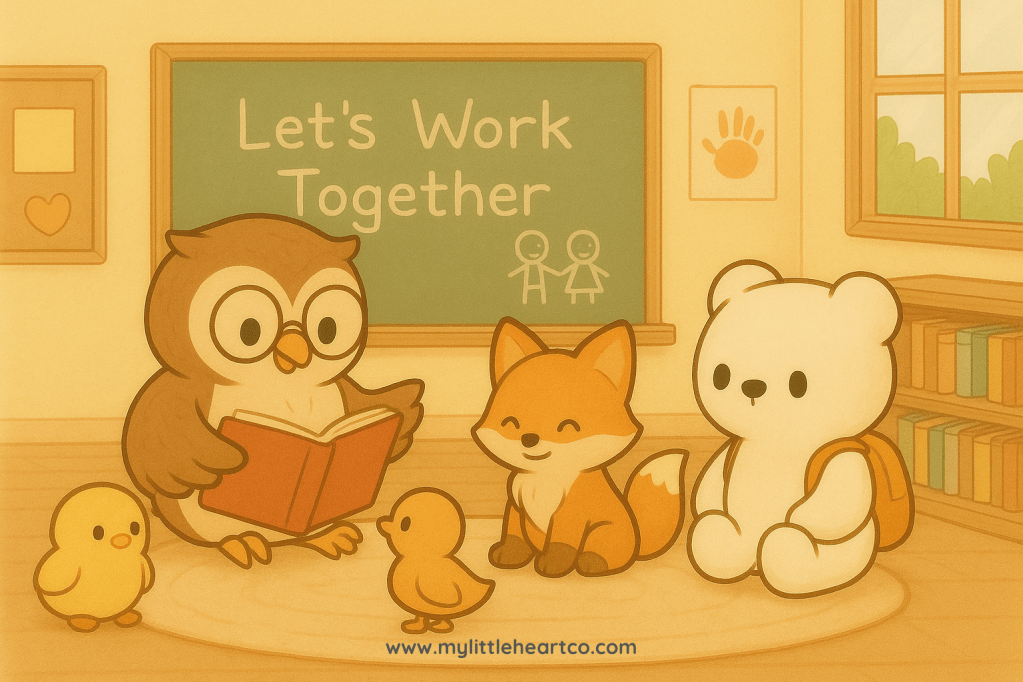
The Pip & Lumi story was created for moments exactly like this—when a child needs to see their feelings reflected in a safe, warm way. In the story, Pip’s nervousness on the first day of school is eased through friendship, kindness, and a small act of sharing from Teddy.
Alongside the story, calming activity sheets help children process their own feelings. These include:
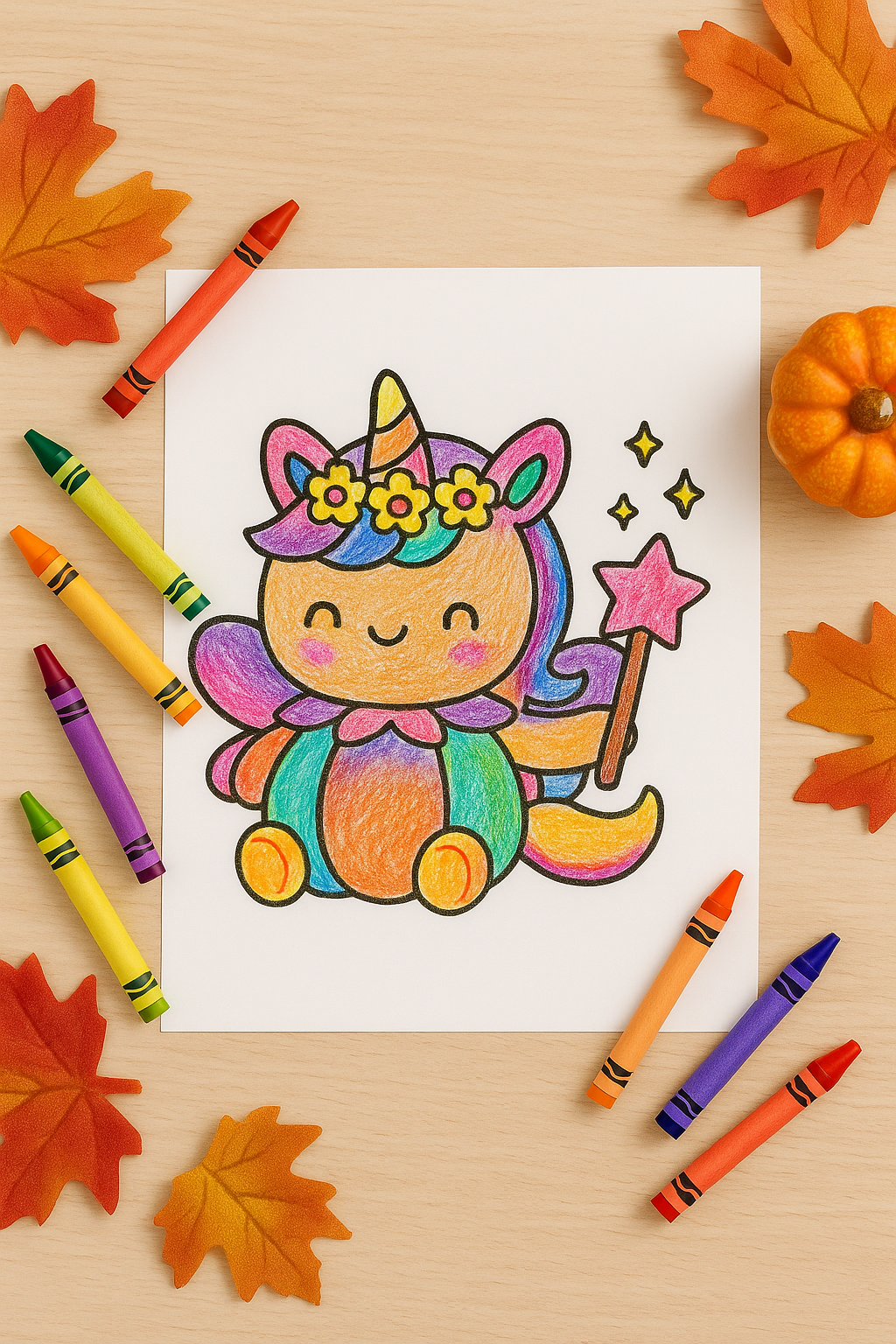
- “Draw Your Brave Self” pages
- Emotion matching games
- Positive affirmation cards
You can download a free sample here to try with your class or child.
Final Encouragement
Feeling nervous at school is not a problem to “fix” but an experience to guide a child through. Each step forward—whether it’s speaking up during circle time, joining a game at recess, or simply walking through the door—deserves to be celebrated.
With patience, empathy, and a few thoughtful tools, nervous moments can become proud milestones. And sometimes, all it takes is a friendly buddy, a welcoming teacher, and a soft friend like Lumi to help a child feel right at home.
Written by Angela Paschal, founder of The Little Heart Collection – a brand dedicated to creating SEL stories, activities, and affirmations that help kids shine bright.















 My Little Hearts Co.
Leave a comment