
By: Angela Paschal, founder of My Little Heart Co

Lumi the Bear stood in front of a tall block tower she had built all by herself. Her soft, white fur was dusted with sawdust from the playroom floor, and her little heart-shaped patch peeked out proudly.
“I did it,” she whispered to herself, and then a little louder, “I built it all the way to the top.”
Her friend started to clap. “That’s amazing, Lumi!”
Lumi smiled and gave a small nod. She’d worked on that tower piece by piece, and every block she placed made her a little more confident that she could finish.
It wasn’t just the tower that mattered — it was the daily habit of trying, even when something felt tricky.
Why Confidence Matters in Early Childhood
Confidence in young children isn’t about being the loudest in the room or the first to try something new. It’s about believing in themselves — knowing they can learn, try, and keep going even when things don’t go perfectly the first time.
Confident children are more likely to:
- Participate in group activities
- Take healthy risks in learning
- Problem-solve when they face challenges
- Show resilience when things don’t go their way
Confidence is also deeply tied to social-emotional learning (SEL) skills like self-awareness, perseverance, and empathy. When children feel good about who they are and what they can do, they’re more open to helping others feel the same.
Why Daily Habits Matter
It’s tempting to think of confidence-building as something that happens during big moments — like performing in a play or winning a race. But in reality, confidence is built in small, everyday actions.
Daily habits matter because they:
- Provide repeated opportunities for success
- Create a predictable rhythm children can rely on
- Reinforce positive self-talk
- Build a sense of capability over time
Just as Lumi added block after block to her tower, children add moments of pride to their sense of self through repeated, meaningful experiences.
Confidence-Building Habits for the Classroom
Teachers have the unique ability to weave small confidence boosts into each school day. Here are some simple ways to do it:
1. Morning Greetings
Greet each child by name with a smile, handshake, or wave. This tells them, “You matter here.”
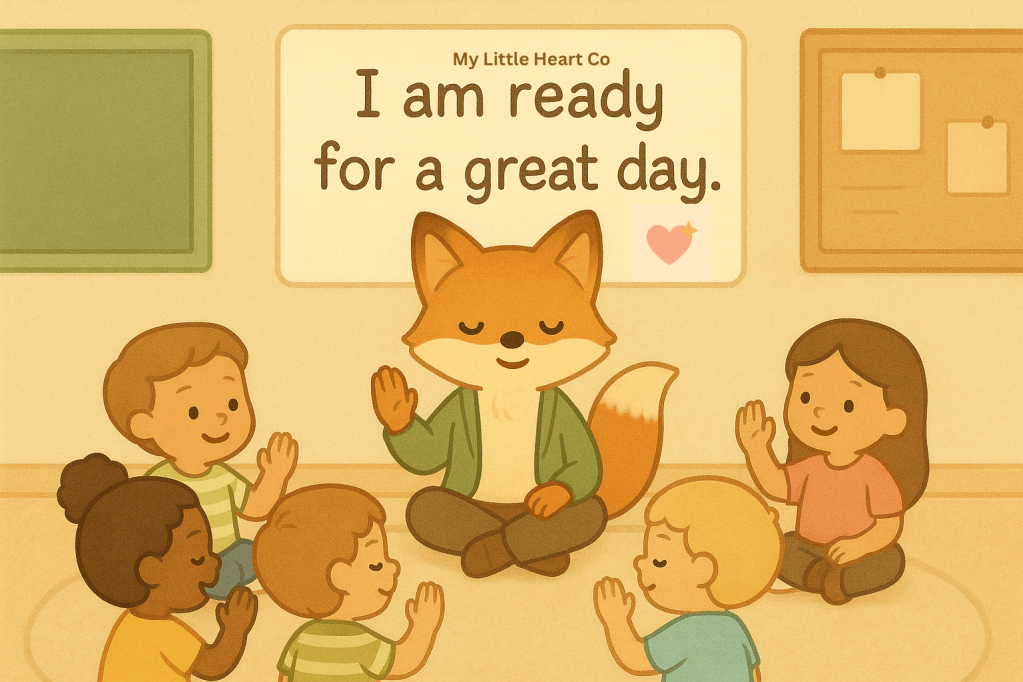
2. Daily Affirmations
Start the day with a class affirmation like, “I am ready to learn,” or “I can try my best.” Rotate who leads it so every child gets a turn.
3. “Helping Hands” Jobs
Assign small responsibilities — line leader, plant waterer, or book helper. Completing these tasks builds a sense of contribution and pride.
4. Sharing Successes
End the day with a short circle where children can share one thing they tried, learned, or enjoyed.
Classroom Dialogue Example
Teacher: “Lumi, would you like to tell us what you worked on today?”
Lumi: “I read a whole page by myself!”
Class: applause
That simple acknowledgment from peers can make a lasting impression.
Confidence-Building Habits for Home
Parents and caregivers can build confidence in the same steady, everyday way:
1. Give Small Responsibilities
Ask your child to set the table, feed a pet, or help stir ingredients for dinner.
2. Celebrate Effort, Not Just Results
Instead of saying, “You’re so smart,” try, “You worked hard on that puzzle!”
3. Use “I Can” Language
Model phrases like, “I can try again,” or “I can figure this out,” so your child learns to speak to themselves the same way.
4. Bedtime Reflections
Ask, “What’s one thing you’re proud of today?” This encourages children to notice and remember their achievements.
Home Dialogue Example
Parent: “What’s something you’re proud of from today?”
Child: “I tied my shoes without help.”
Parent: “That took practice, and you did it — I’m proud of you too.”
Celebrating Progress, Not Perfection
One of the most powerful ways to nurture confidence is to help children focus on progress rather than perfection. When children see that learning is a journey, mistakes become stepping stones instead of roadblocks.
In the Love Bear story, Lumi builds a tall block tower. It wobbles, topples, and she tries again—adding one block at a time until it stands steady. Her smile comes not from getting it perfect the first time, but from knowing she improved with each try.
In the classroom, this might look like saying, “You worked so hard on that drawing, and I can see how much detail you added compared to last week,” or “I noticed you kept trying until you got it—what great persistence!” At home, a parent might say, “You didn’t get it yet, but you’re closer than yesterday.” These words reassure children that effort matters and that they can trust themselves to keep going.
Modeling Confidence as Adults
Children watch us more than they listen to us. If we want them to believe in themselves, they need to see us doing the same.
Ways to model confidence:
- Try something new in front of them, and talk through your process.
- Admit when you make a mistake, and show how you fix it.
- Speak kindly to yourself out loud — “I didn’t get it right yet, but I’ll try again.”
When children see adults facing challenges with determination and optimism, they learn that confidence is about persistence, not perfection.
Using Stories and Activities to Reinforce Confidence
Stories are powerful tools for SEL because they let children see characters experiencing — and overcoming — the same challenges they face.
In Love Bear, Lumi shows quiet acts of bravery and kindness that help her and her friends feel stronger. Reading this story together opens conversations like:
- “When have you done something you were nervous about?”
- “How did you feel afterward?”
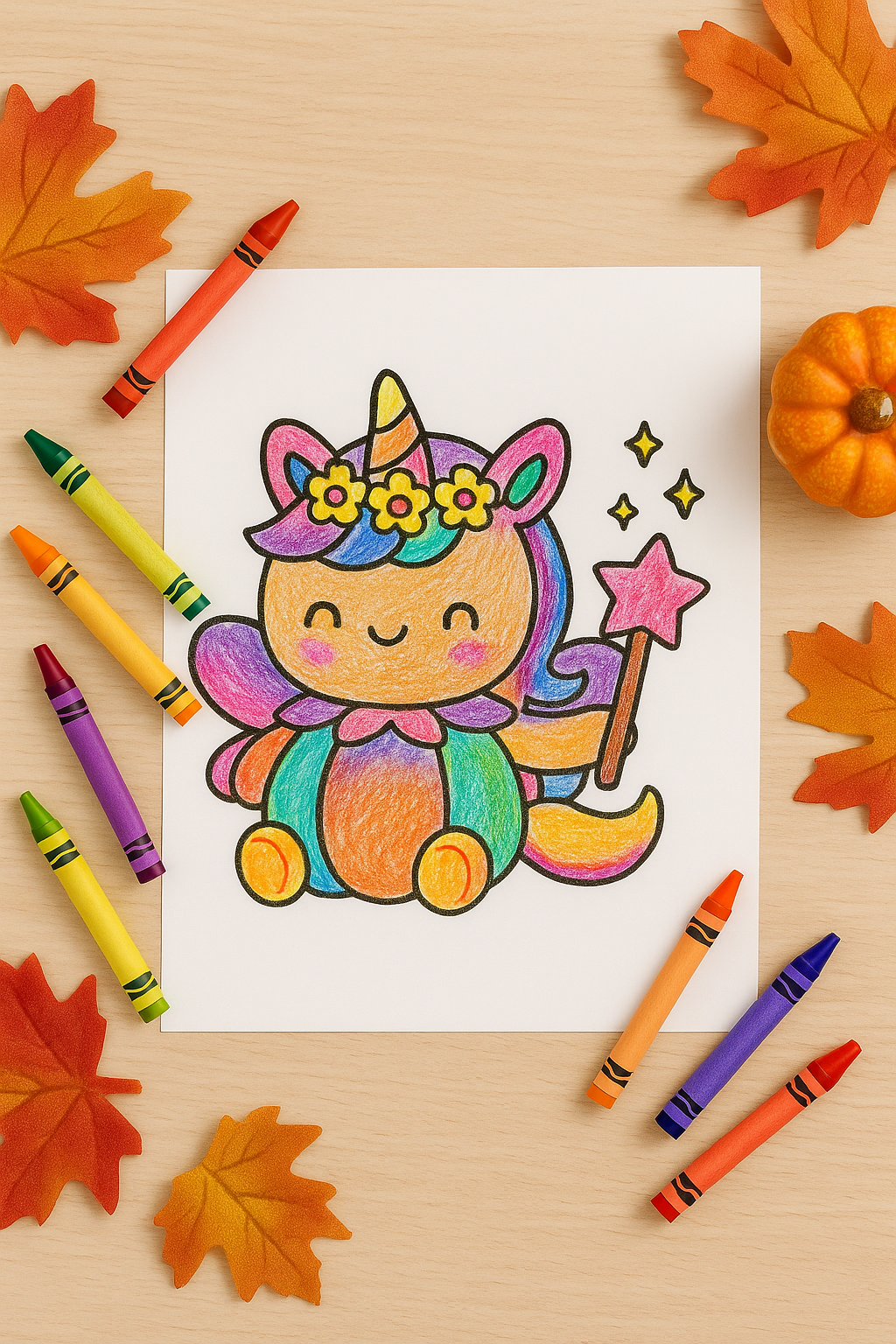
Pairing the story with affirmation coloring pages adds another layer — children get to color while repeating uplifting phrases like:
- “I am proud of me.”
- “I can learn new things.”
- “I try my best.”
These activities combine creative expression with positive self-talk, making the message even more memorable.
Involving Peers in Confidence-Building
Confidence isn’t just built through self-reflection—it can also be strengthened through the support of others. When children learn to celebrate each other’s efforts, they develop empathy and a sense of belonging.
Teachers can create simple peer recognition moments, like a “Compliment Circle” where each child shares something they noticed a classmate doing well. In a group project, every student can be given a role that highlights their strengths, whether it’s leading a game, drawing the team’s poster, or organizing materials.
In one classroom, Lumi worked with her friends to paint a mural. When her friend Bree said, “I like how you blended those colors—it makes the sunset look so real!” Lumi’s cheeks glowed with pride. That small act of kindness reminded her that her contributions mattered.
By fostering these peer-to-peer interactions, children not only gain confidence themselves but also learn how to lift others up—an essential skill for both school and life.
Final Encouragement
Confidence isn’t built in one day — it’s built in many small moments, repeated over time.
When Lumi finished her block tower, she didn’t just see the top block — she remembered every single piece she had placed along the way. That’s how confidence works: one habit, one moment, one choice at a time.
Whether you’re in a classroom or at home, you have countless opportunities each day to help a child feel proud, capable, and ready to shine.
And sometimes, all it takes is a smile, a small responsibility, or a quiet “I can do this” to start building a lifetime of self-belief.
Written by Angela Paschal, founder of The Little Heart Collection – a brand dedicated to creating SEL stories, activities, and affirmations that help kids shine bright.
















 My Little Hearts Co.
Leave a comment