
By: Angela Paschal|My Little Heart Co
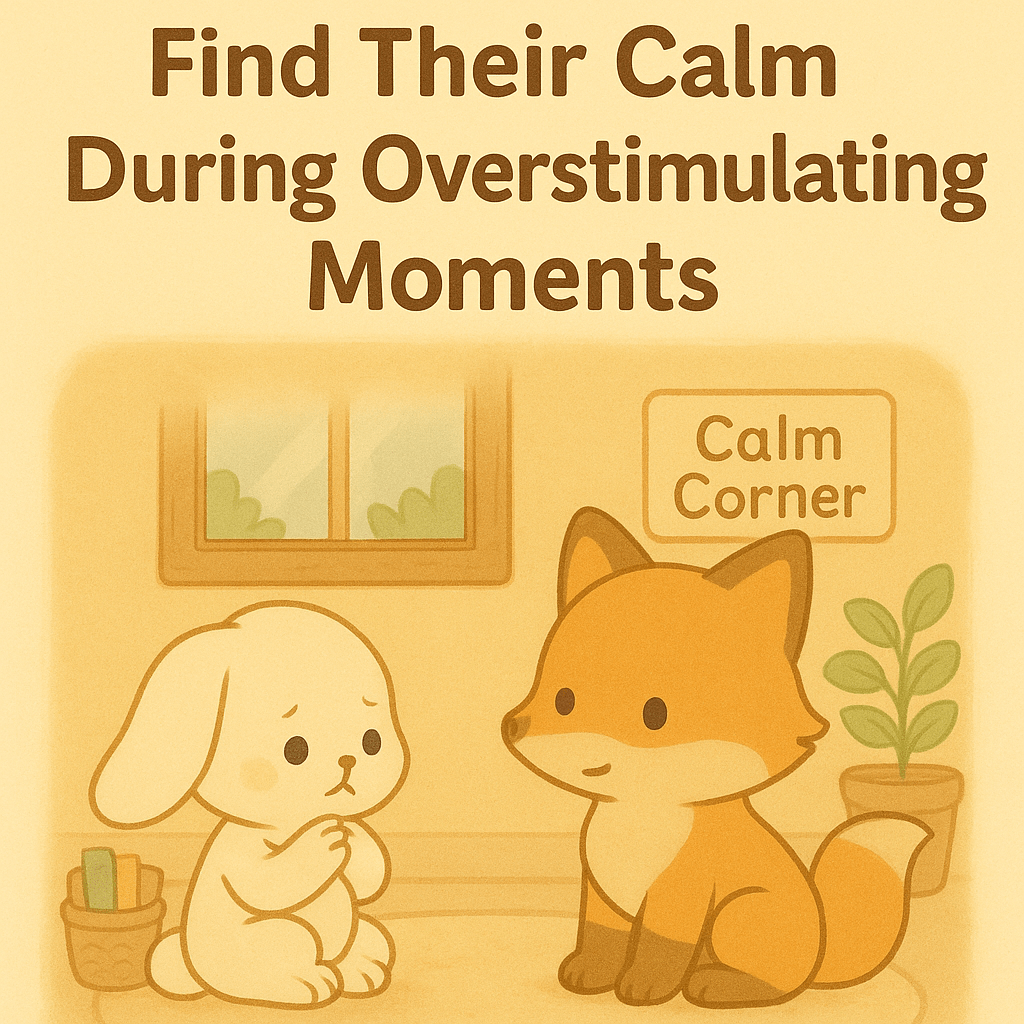
A Gentle Beginning: Bree’s Busy Day
The classroom was alive with color and sound. Balloons bobbed above the reading corner, friends laughed and chattered, and the scent of fresh cupcakes floated through the air. Bree the Bunny sat on her mat, eyes darting from one noisy, bustling activity to another.
The room felt smaller somehow, each sound louder than the last. The bright streamers seemed to shimmer too brightly, and the squeals of excitement made Bree’s ears twitch. She pulled her scarf a little tighter around her neck—her favorite soft scarf, the one that usually made her feel safe.
But today, it wasn’t enough. Bree’s shoulders hunched as she tried to block out the noise. She wished she could press a pause button and make the room still for just a moment.
Miss Maple, noticing the change in Bree’s posture, walked over slowly. She knelt beside her, voice gentle and calm.
“It feels a bit busy in here, doesn’t it?” she said softly. Bree nodded, eyes wide.
Miss Maple reached for a quiet corner by the window where a soft cushion and Bree’s favorite storybook waited. With a reassuring smile, she guided Bree there, letting her sit in the sunlight where the world felt softer again.
What is Overstimulation?
Overstimulation happens when a child’s senses are overloaded — too much noise, light, movement, or social activity all at once. In young children, especially in busy classrooms or family gatherings, it’s easy for sights, sounds, and smells to pile up faster than their brains can process.
Signs of overstimulation can include:
- Covering ears or eyes
- Withdrawing from the group
- Sudden irritability or tears
- Seeming “shut down” or overly quiet
- Fidgeting or restlessness
Recognizing these signals early can make a big difference in helping a child regain their sense of calm.
Understanding Overstimulation in Young Children
Overstimulation happens when a child’s senses—sight, sound, touch, smell, or even taste—receive more input than their brains can comfortably process. For adults, this might feel like walking into a crowded mall during the holidays: music blaring, bright lights flashing, dozens of conversations happening at once. For young children, whose sensory systems are still developing, even smaller amounts of input can feel overwhelming.
In these moments, their bodies and brains can go into a kind of “sensory overload” mode. This might show up in different ways:
- Physical cues: covering ears, turning away, rubbing eyes, or fidgeting more than usual.
- Emotional signs: sudden irritability, tearfulness, or withdrawing from others.
- Behavioral changes: hiding under a table, clinging to a trusted adult, or refusing to participate in an activity.
It’s important to remember that overstimulation is not misbehavior. It’s a child’s way of signaling, “I need a break to feel safe again.” By noticing the signs early, caregivers and teachers can step in to create a calmer environment before the overwhelm builds too high.
Why Teaching Calm Matters
Learning how to calm themselves is one of the most important skills a child can develop. This is part of social-emotional learning (SEL) — the ability to understand and manage emotions, set positive goals, and build healthy relationships.
When children practice calming strategies:
- They feel more in control of their feelings.
- They develop resilience for future challenges.
- They build empathy by noticing when others might feel overwhelmed.
These skills extend beyond the classroom, helping children at home, during playdates, and in new environments.
Why Calm-Down Skills Matter for Lifelong Resilience
Teaching children how to find their calm isn’t just about making a moment easier—it’s about building emotional tools they’ll carry into every stage of life. Calm-down skills help children:
- Recognize their emotions – Learning to notice when they feel “too full” of noise, movement, or energy helps them understand their own needs.
- Self-regulate – Instead of reacting with big outbursts, they can pause, breathe, and choose a healthier way to respond.
- Problem-solve – With a clearer mind, children can decide what will help them feel safe and focused again.
- Build empathy – When children understand their own emotions, they often become better at understanding how others feel, too.
The earlier children learn these skills, the more natural they become. By practicing in small, everyday moments, children develop resilience—meaning they can bounce back from challenges and stay steady, even when the world feels overwhelming. This is a gift that serves them not only in the classroom but also in friendships, family life, and future workplaces.
Practical Calm Strategies for Teachers & Parents
1. Create a Calm Space
Set aside a small area — even a cozy chair or mat — where children can take a break. Include soft textures, calming colors, and simple sensory tools like stress balls or fidget spinners.
2. Teach Simple Breathing Exercises
- Balloon Breathing: Pretend to blow up a balloon, taking slow, deep breaths.
- Smell the Flower, Blow the Candle: Imagine smelling a flower (inhale) and blowing out a candle (exhale).
3. Offer Sensory Comforts
Weighted lap pads, stuffed animals, or soft blankets can help children feel grounded when their senses feel “too full.”
4. Model Calm Behavior
When you show your own calm in busy situations, children learn that emotions can be managed without panic.
Partnering with Parents to Support Calm-Down Skills at Home
Helping children manage overstimulation isn’t just a classroom effort—it works best when teachers and parents work as a team. When strategies are consistent across home and school, children feel more confident and supported in using them.
1. Share the Language You Use in Class
If you use terms like “calm corner,” “bubble breathing,” or “fidget friend” in your classroom, let parents know. A short note, email, or take-home guide can help them reinforce the same strategies at home, creating a sense of familiarity for their child.
2. Send Home Simple Tools
Provide a small sensory item, a glitter jar recipe, or a breathing exercise card for families to keep at home. It doesn’t have to be fancy—what matters most is that children feel they have the same tools wherever they are.
3. Encourage Practice During Calm Moments
Remind parents that calm-down strategies are most effective when learned before emotions run high. Practicing “magic breathing” at bedtime or setting up a quiet corner during playtime can make it easier for children to use these tools when needed.
4. Keep Communication Open
Regular check-ins between home and school help identify what’s working and where a child might need extra support. Even a quick “Today they used bubble breathing on their own!” message can boost a child’s progress.
5. Celebrate Progress Together
When a child successfully uses a strategy—whether at school or home—share the win. Positive reinforcement from both environments reinforces that self-regulation is a skill worth celebrating.
Role Models in Calm
In our Bright Little Friends stories, Bree, Fern, and Little Star often model what it looks like to pause and breathe. When Bree retreats to the calm corner, Little Star reminds her, “Taking a break is how we get our shine back.” These character examples can make abstract ideas more relatable for young children.
Encouraging Self-Advocacy
Children can learn to notice their own early signs of overstimulation and communicate their needs. Teach them phrases like:
- “I need a quiet break.”
- “This feels too loud for me.”
- “Can I go to the calm corner?”
The more they practice these words, the easier it becomes to speak up before emotions overflow.
Returning with Confidence
Just as in our story, after her short break, Bree felt ready to join her friends again. Learning to step away and return when ready builds confidence — children realize they can manage tough moments and rejoin the fun feeling better.
Closing Encouragement
Helping children find their calm is not about removing all challenges, but about giving them tools to face those moments with confidence. The more we practice with them, the more they’ll trust their own ability to pause, breathe, and start fresh.
Written by Angela Paschal, founder of The Little Heart Collection – a brand dedicated to creating SEL stories, activities, and affirmations that help kids shine bright.















 My Little Hearts Co.
Leave a comment