
By: Angela Paschal, founder of My Little Heart Co
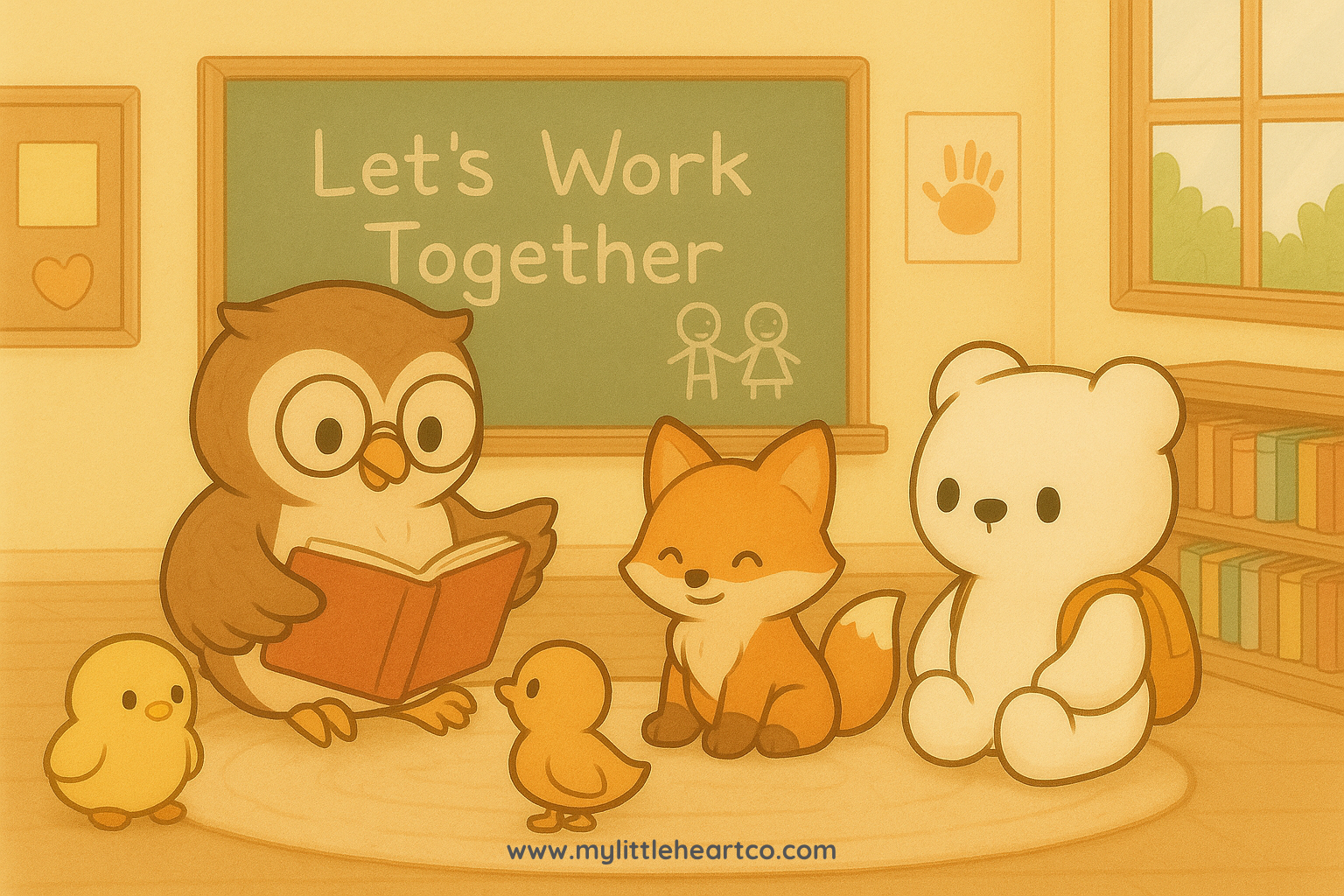
The Puzzle Piece Problem
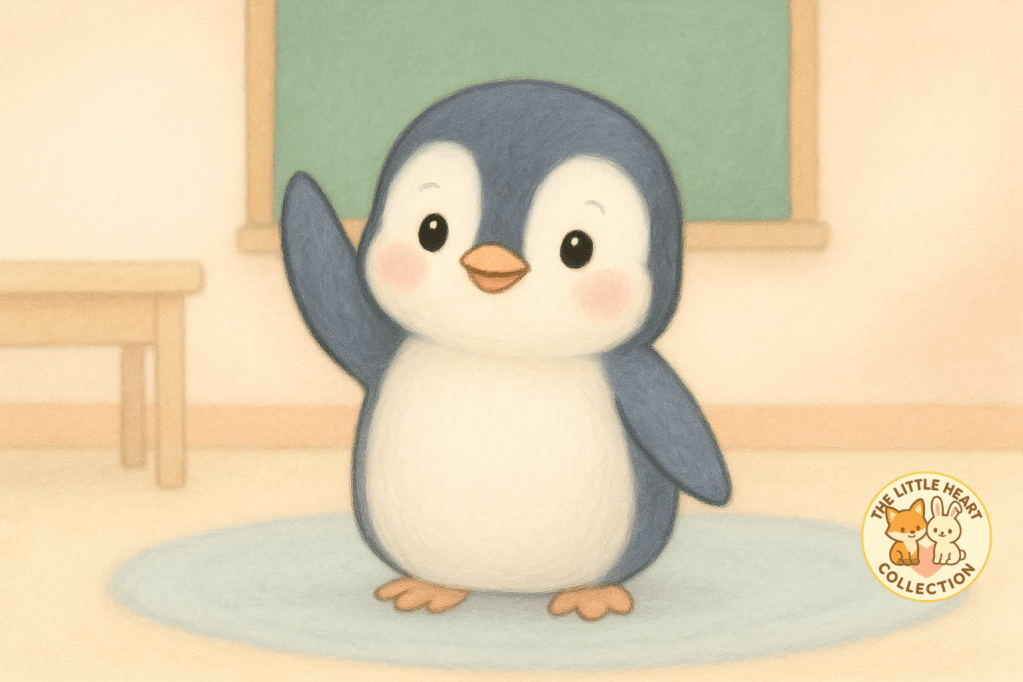
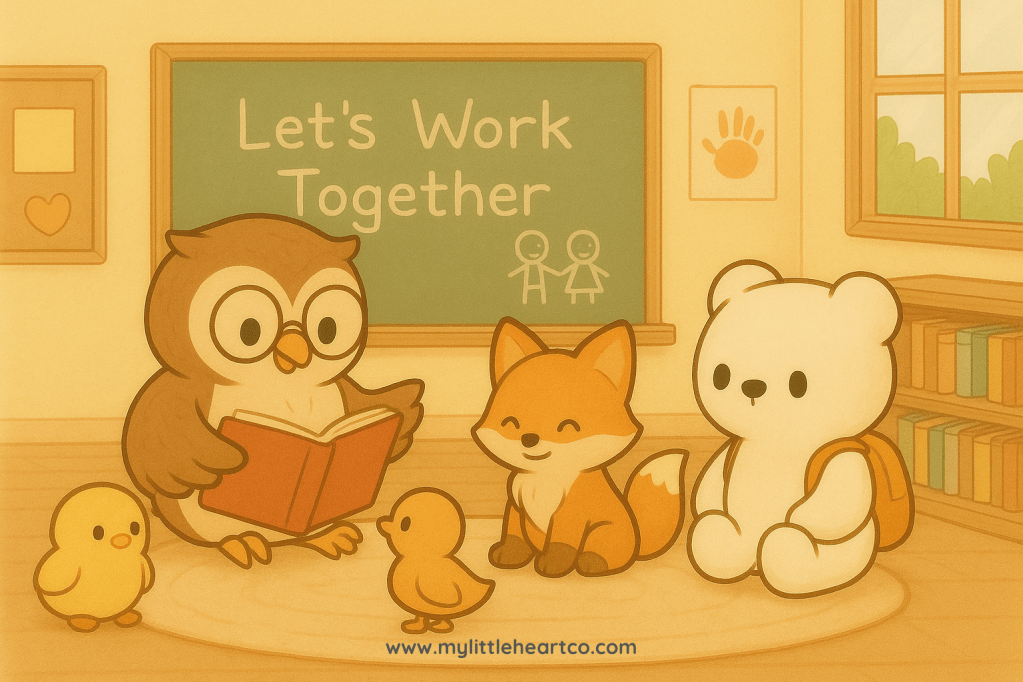
The morning sun streamed through the tall forest windows as the friends settled in for free play. Fern spotted a colorful puzzle on the table and padded over quickly. At the same time, Percy waddled up from the other side, eyes fixed on the very same shiny blue puzzle piece in the center.
“I need that piece to finish my side!” Percy exclaimed, reaching for it.
“But I saw it first,” Fern said, clutching it gently in her paw. Her tail swished with frustration.
From her reading nook, Miss Maple the owl glanced up. “Hmm,” she said in her gentle, sing-song voice. “It looks like we have a puzzle problem.”
Both friends froze, unsure what to do next.
Miss Maple slowly hopped down from her perch and joined them at the table. “What do you think would happen if you worked together to finish this puzzle instead of apart?” she asked.
Percy tilted his head. “We could finish it faster.”
Fern’s ears twitched. “And it might be more fun.”
Miss Maple smiled. “Why don’t we try? You both have something important to add.”
And just like that, two little friends leaned in side by side, carefully fitting the blue piece into place—together.
Why Early Friendship Skills Matter
In early childhood, friendships are more than just playmates for recess or snack time. They are the first laboratory where children experiment with trust, kindness, and cooperation. Learning how to be a friend—and how to welcome friendship from others—lays a foundation for emotional well-being that lasts far beyond the early years.
Children who have opportunities to build healthy friendships develop stronger empathy, the ability to see situations from someone else’s point of view. They also learn important self-regulation skills, like waiting for a turn or compromising when they don’t get their way.
In the classroom, these skills translate to smoother group activities, fewer conflicts, and a sense of belonging that helps children feel safe to share ideas. When children trust their peers, they become more willing to take risks in learning—whether that’s trying a new puzzle, reading aloud for the first time, or leading a group game.
Friendship skills are also key for life outside of school. Early positive experiences with peers help children approach new social situations with confidence. They learn that differences can be celebrated, problems can be solved together, and everyone brings something valuable to the group.
By weaving friendship-building moments into daily routines, educators help children grow into compassionate, capable teammates both in and out of the classroom.
Strategies for Encouraging Friendship in the Classroom
Building friendship skills doesn’t have to be a separate “lesson” on the schedule—it can be part of your daily rhythm. The more children see friendship modeled and practiced in natural moments, the more those skills become second nature.
1. Use Friendship-Themed Read-Alouds
Books are powerful conversation starters. Stories like Circle Time Surprise or other friendship-focused picture books give children examples of empathy, sharing, and problem-solving in action. After the read-aloud, ask open-ended questions: “How did the characters help each other?” or “What would you have done?” This turns a cozy reading moment into a mini social-emotional learning (SEL) lesson.
2. Model Positive Peer Interactions
Children learn by watching. When you model respectful listening, sharing, and kindness toward both children and other adults, you’re giving them a real-life friendship tutorial. Narrate these moments so they understand what’s happening: “I’m listening to your idea, and now it’s my turn to share mine.”
3. Create Team Tasks
Small cooperative challenges—like building a block tower together, making a group mural, or planting seeds in the school garden—give children a shared goal. Working toward something together helps them practice patience, problem-solving, and celebrating each other’s successes.
4. Use “Friendship Jobs”
Assign rotating helper roles like “welcomer,” “snack sharer,” or “line leader” with a teammate. These small roles give children chances to connect and work together, even outside playtime.
By intentionally creating moments for cooperation and kindness, you’re showing children that friendship is an important part of learning—not just something that happens on the playground.
Working Together
Miss Maple: “Hmm… it looks like you both want the red crayon.”
Bree: “I had it first!”
Fern: “But I need it to finish my picture.”
Miss Maple: “What if we make a plan? Fern, you can use it for two minutes, then pass it to Bree. While you wait, Bree, could you add some green leaves to your tree?”
Bree: smiles “Okay, I can do that.”
Fern: “And then I’ll pass it right to you.”
Within moments, both drawings were brighter—and so were the children’s smiles.
Activities to Foster Teamwork
Friendship and teamwork skills grow best when children can practice them in fun, low-pressure situations. Here are a few classroom activities that naturally encourage cooperation:
1. Group Art Projects
Provide a large sheet of butcher paper and invite small groups to create a mural together. Assign each child a part of the scene (sky, trees, animals) so everyone contributes to the bigger picture.
2. Partner Games
Simple games like “Parachute Popcorn,” “Buddy Ball,” or “Pass the Smile” encourage children to work in pairs or small groups. These activities require communication, coordination, and shared laughter—essential ingredients for friendship.
3. Cooperative Problem-Solving
Offer small challenges like building the tallest tower using only certain materials or finding all the “hidden” shapes in the classroom. Encourage children to talk through their ideas and listen to each other’s suggestions.
4. Friendship Certificates and Celebrations
Recognize kind acts by giving out friendship certificates or badges. This creates a culture where helping others is noticed and celebrated, inspiring more children to join in.
5. Storytelling Together
Have children take turns adding a sentence to a group story. This playful exercise teaches listening, creativity, and respecting other voices.
When teamwork becomes a daily habit, children not only strengthen their bonds with each other but also develop skills that will help them thrive in all areas of life.
An Invitation to Play
Percy: quietly building a block tower alone
Squirrel: “Hi, Percy. Can I help you build?”
Percy: hesitates “I don’t know… I’m almost done.”
Miss Maple: “Sometimes, building together makes the tallest towers.”
Percy: smiles “Okay, you can add the top.”
Squirrel: “Thanks! Let’s make it a castle.”
A simple invitation turned a quiet moment into a shared accomplishment—and a new friendship.
Supporting Children Who Struggle with Friendship
Not every child finds making friends easy. Some may be shy, others might feel unsure about how to join in, and a few may have had negative experiences with peers that make them hesitant. With patience and gentle guidance, these children can learn that friendship is safe, rewarding, and worth the effort.
1. Offer Structured Social Opportunities
Invite hesitant children to join small, guided activities where they can participate without the pressure of navigating large group dynamics. This might include playing a board game with two other children or working on a partner puzzle.
2. Model “Joining In” Language
Many children don’t know how to enter a game without feeling like they’re interrupting. Teach simple phrases like, “Can I help?” or “Can I be on your team?” Then model using them in role-play scenarios.
3. Pair Them with Peer Buddies
Assigning a supportive, friendly classmate as a “buddy” can help a child feel more confident. This buddy can introduce them to group games, show them classroom routines, and act as a friendly bridge to other peers.
4. Celebrate Effort, Not Just Success
A child may not become best friends overnight, but every attempt to connect—smiling at someone, offering a toy, or joining a game—deserves recognition. Positive feedback builds confidence to keep trying.
By creating a safe environment and offering tools for connection, you help every child—no matter their starting point—find their place in the classroom community.
Bringing Friendship Lessons Home
Friendship skills don’t have to stay in the classroom—families can play a big role in reinforcing them. Encourage parents and caregivers to talk about kindness, cooperation, and problem-solving during everyday routines at home.
Some simple ideas to share with families:
- Play “Friendship Role-Play” at Home – Take turns pretending to share toys, solve a disagreement, or invite someone to play.
- Create a Kindness Jar – Each time a child shows a kind action, add a note to the jar. Review them together at the end of the week.
- Read Friendship Stories Together – Suggest books like Circle Time Surprise that show relatable characters learning to be good friends.
By linking school and home efforts, children get consistent messages about the value of friendship—and more chances to practice it in different settings.
Conclusion
Friendship is one of the most powerful gifts we can help children develop. When we give them tools to share, cooperate, and empathize, we’re not just preparing them for the next school year—we’re preparing them for life.
Through stories like Circle Time Surprise, cooperative classroom activities, and small but meaningful daily moments, we can show children that friendship is something to be celebrated and nurtured. Every smile, every shared game, and every “Can I play too?” is a step toward building a classroom where everyone belongs.
Written by Angela Paschal, founder of The Little Heart Collection – a brand dedicated to creating SEL stories, activities, and affirmations that help kids shine bright.














 My Little Hearts Co.
Leave a comment