
By: Angela Paschal, founder of My Little Heart Co
Why Manners, Empathy, and Everyday Kindness Still Matter
In a world where screens often replace face-to-face conversations and fast-paced schedules leave little time for lingering chats, it can feel like the art of good manners is fading. Yet, social skills are as important now as they’ve ever been—maybe even more so. They are the threads that weave kindness, understanding, and cooperation into the fabric of our children’s daily lives.
A Look Back: Manners in Simpler Times
Many of us remember growing up in a time when manners were taught in the smallest, most ordinary moments.
- The handwritten thank-you note after receiving a gift.
- Greeting neighbors by name when passing them on a walk.
- Sharing a plate of cookies with a new family on the block.
These gestures weren’t grand or complicated—they were natural acts of connection. And while times have changed, the heart behind those actions hasn’t.
Why Social Skills Matter
Social skills go far beyond saying “please” and “thank you.” They include listening attentively, expressing emotions appropriately, resolving conflicts peacefully, and working well in groups. These skills shape how children navigate their world—both now and in the future.
When children have strong social skills:
- They are better equipped to build positive friendships that support their emotional well-being.
- They develop empathy, understanding that others may feel differently than they do.
- They handle disagreements and setbacks with more patience and problem-solving skills.
- They feel more confident in speaking up, asking for help, and participating in group activities.
Research consistently shows that social skills are predictors of lifelong success. They affect academic performance, mental health, and even career readiness—because in every setting, collaboration and communication matter.
Why Social Skills Deserve More Focus in the Classroom
While academics are essential, learning how to work with others is just as important. A child who can solve math problems but struggles to share, listen, or cooperate may face challenges in group projects, sports, or even friendships.
Focusing on social skills in the classroom helps:
- Create a respectful, safe environment where students feel valued and understood.
- Reduce conflicts and bullying by teaching empathy and conflict resolution before problems escalate.
- Build teamwork and leadership skills that prepare children for life beyond school.
- Encourage inclusivity, ensuring no child feels left out or overlooked.
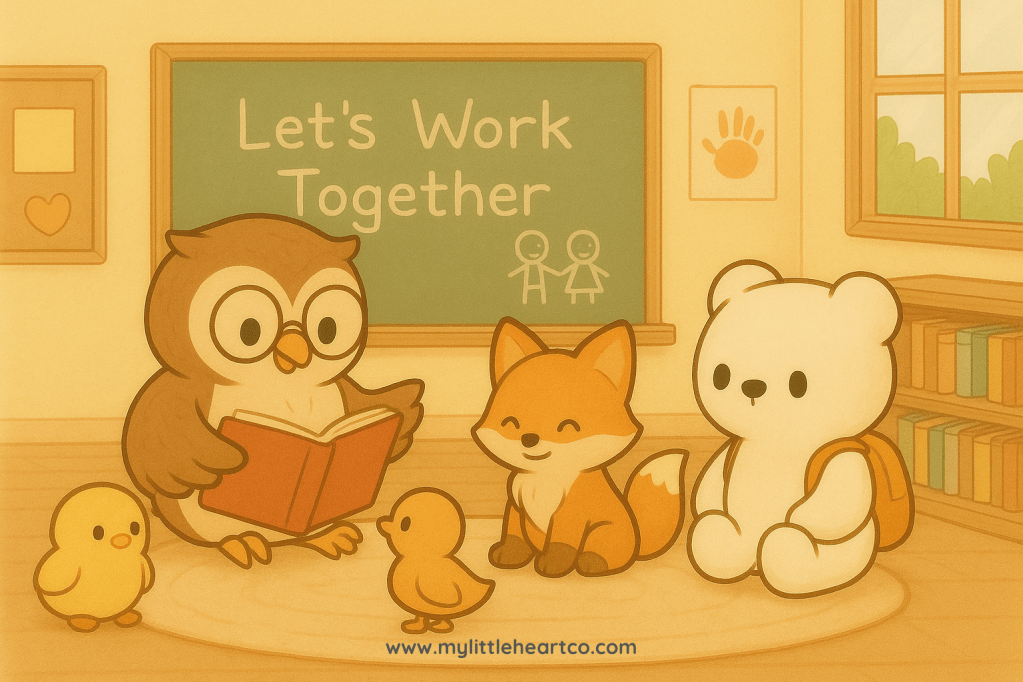
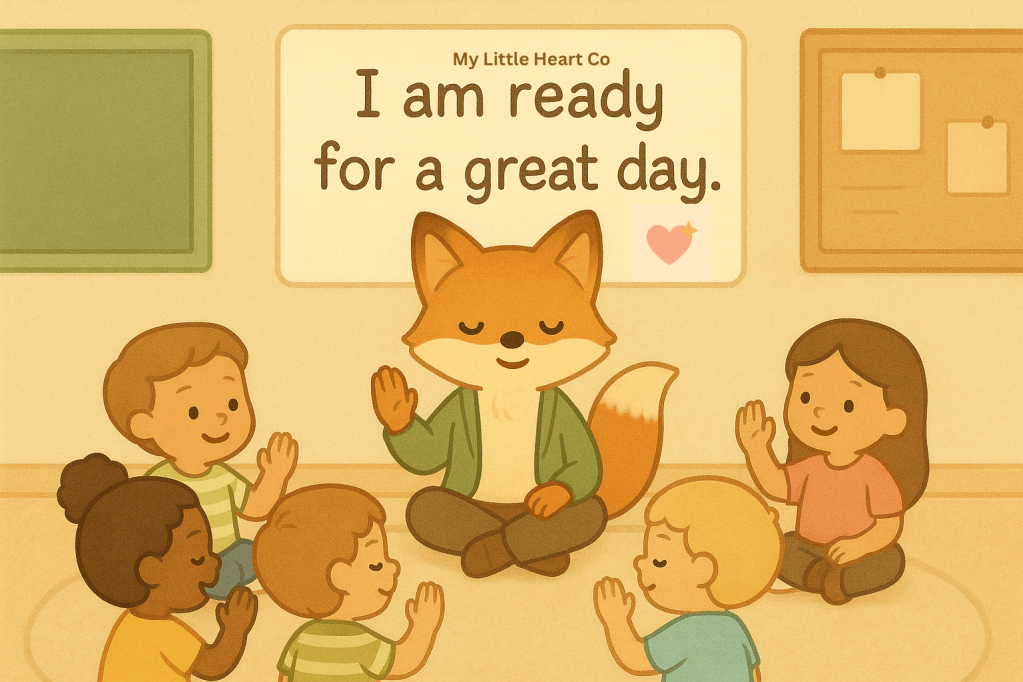
Teachers who intentionally weave social-emotional learning into their routines—through morning meetings, group activities, and class discussions—often see improved behavior, stronger peer relationships, and higher engagement in learning.
Bringing Social Skills Into Everyday Moments
You don’t need a formal lesson plan to teach kindness, respect, and empathy. They grow in the everyday moments we share with our children:
- Model the behavior you want to see. Let them watch you thank the cashier, hold the door for someone, or give a genuine compliment.
- Encourage play that involves cooperation. Board games, team projects, and pretend play give children a safe place to practice turn-taking, patience, and problem-solving.
- Create traditions around manners. Make it fun—perhaps a weekly “kindness challenge” or a “Manners Monday” dinner where each family member shares one polite or thoughtful thing they did that day.
Connecting Skills to Learning
Social skills are not separate from other life skills—they can be woven into almost any learning activity:
- A storybook about friendship can spark a conversation about how to treat others.
- A hygiene book can open a discussion about respecting personal space and self-care.
- Money-counting worksheets can become role-play games about shopping, sharing, and gratitude toward those who help us.
These moments give children the why behind the what—helping them see that manners are not just rules, but tools for making life better for themselves and those around them.
A Gentle Reminder
Teaching manners and social skills isn’t about perfection; it’s about progress. There will be messy moments, forgotten “pleases,” and missed opportunities. But each day is a new chance to model kindness, listen patiently, and guide our little ones toward becoming thoughtful, respectful members of their communities.
As we remind them of the power of a kind word, a respectful gesture, or a helping hand, we’re planting seeds that will grow for a lifetime—much like those small acts we remember from our own childhoods.
(Body content about importance of social skills…)
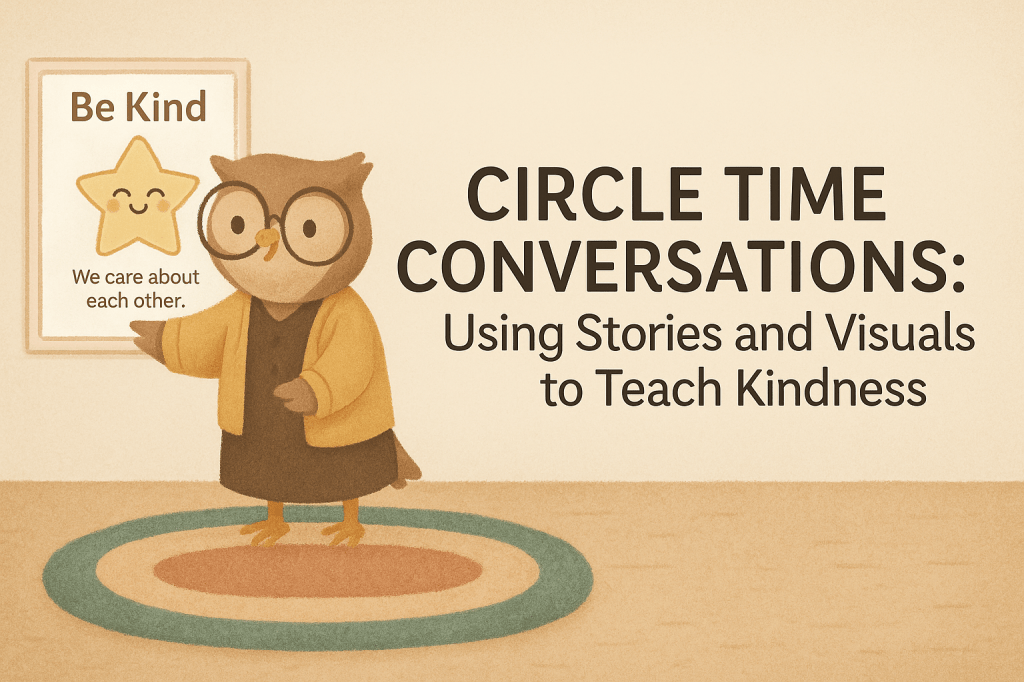
A Lesson from Circle Time
One rainy Tuesday, Miss Maple’s kindergarten class gathered for circle time. As the sound of raindrops tapped against the windows, she noticed two children whispering and giggling while another shy student tried to share about his weekend. Instead of scolding, Miss Maple paused the lesson. She gently asked the class how it feels when someone interrupts. Hands shot up with answers—“sad,” “mad,” “like no one’s listening.” Together, they brainstormed ways to show respect when a friend is talking.
The rest of the week, Miss Maple noticed something magical—students began sitting up straighter, making eye contact, and waiting their turn. By focusing on one small social skill, her class became a more supportive, kind group. It wasn’t just about manners; it was about empathy, connection, and respect—skills that will serve them for a lifetime.
Conclusion & Call-to-Action
Social skills are more than polite words—they’re the foundation for lifelong friendships, teamwork, and self-confidence. In the classroom, they can transform learning environments into places where children feel safe, respected, and ready to grow.
If you’re ready to encourage kindness and connection in your home or classroom, explore our Little Heart Collection books and activities. From gentle manners stories to hands-on worksheets, you’ll find resources that inspire little ones to care for themselves and others.
Written by Angela Paschal, founder of The Little Heart Collection – a brand dedicated to creating SEL stories, activities, and affirmations that help kids shine bright.














 My Little Hearts Co.
Leave a comment