
By: Angela Paschal, founder of My Little Heart Co.
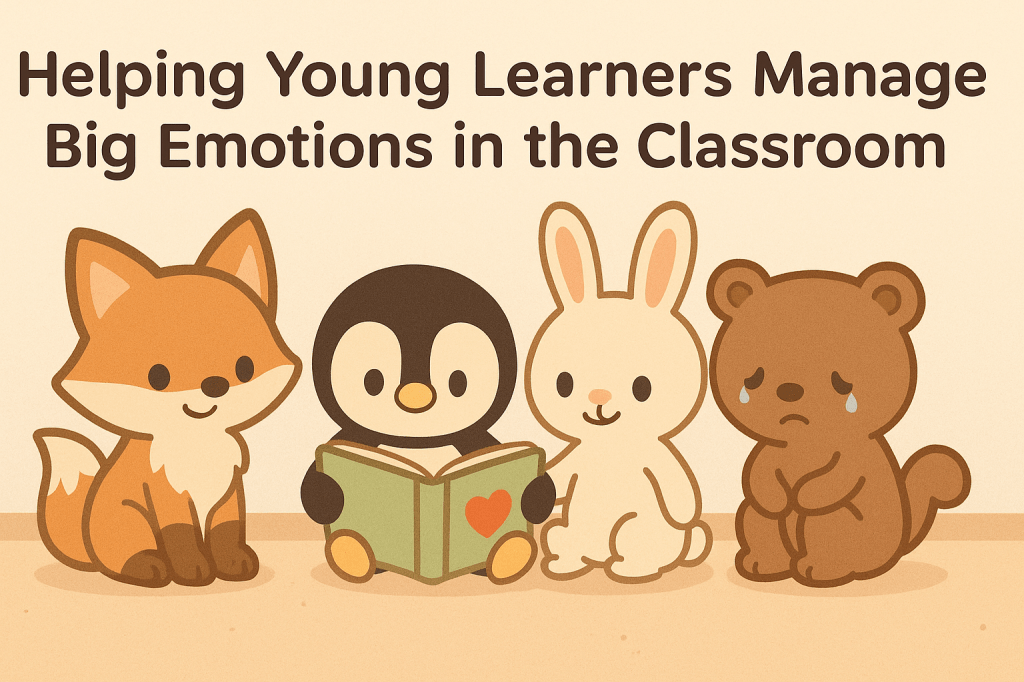
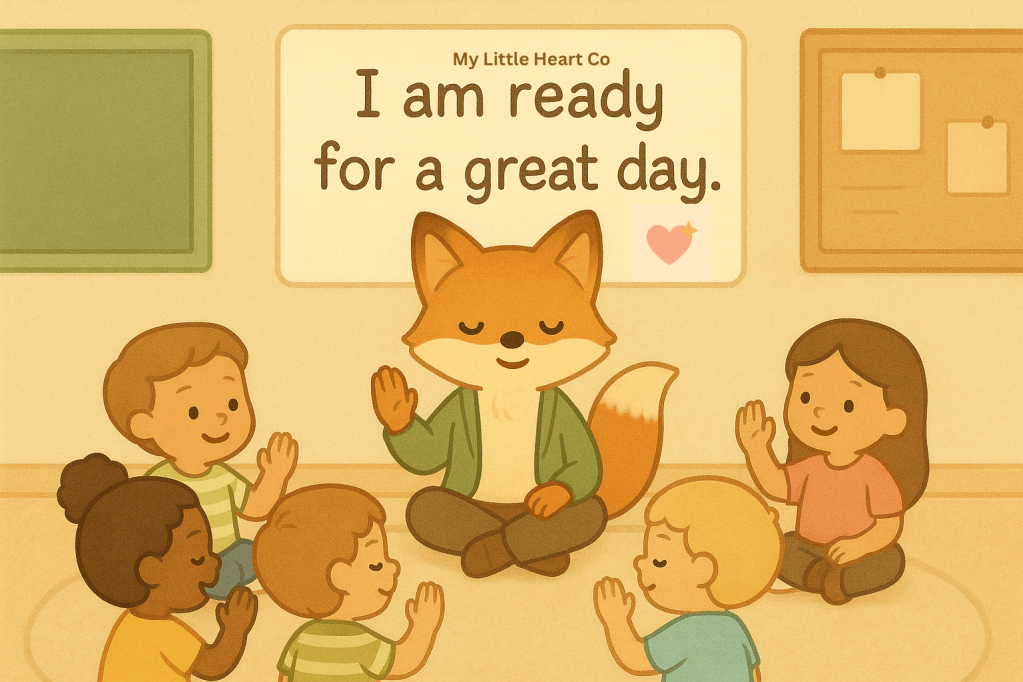
It was the middle of Circle Time when it happened.
The room was filled with the soft hum of children working at their desks. In the corner, a little boy named Ethan sat quietly, his head resting on folded arms. His crayon rolled off the table, but he didn’t notice.
Miss Harper, his teacher, walked over gently. “Looks like you’re feeling a little stormy inside today,” she said softly, crouching down to meet his eyes. Ethan gave a small nod, his bottom lip trembling.
She didn’t rush him. Instead, she invited him to join the class’s cozy “calm corner” — a beanbag chair tucked under a canopy with picture books, stress balls, and soft breathing cards. Within minutes, Ethan was curled up, taking slow breaths as he traced the gentle waves in a mindfulness coloring page. By the time morning meeting began, his storm had passed, and a small smile had returned.
This simple moment is a powerful reminder: learning to manage emotions is just as important as learning letters and numbers.
In many classrooms, this kind of moment happens almost daily. A small frustration over sharing supplies, a misunderstanding during group work, or even the nervousness of answering a question out loud can stir up big feelings in little hearts.
These emotions, while natural, can feel overwhelming for young learners who are still building the tools to manage them. This is where the role of the teacher extends beyond academics — it becomes about guiding children through these feelings in a safe, understanding way.
Why Emotional Management Matters
Children are constantly navigating a sea of feelings — joy, frustration, excitement, disappointment. Without guidance, these emotions can feel overwhelming and affect their learning, relationships, and self-esteem.
When children learn to manage emotions:
- They build resilience — the ability to bounce back from challenges.
- They improve focus — calm minds are ready to learn.
- They develop empathy — understanding their own feelings helps them relate to others.
- They strengthen friendships — managing big feelings makes it easier to communicate kindly.
Think of emotions like traffic lights in a child’s day. Green means ready to learn, yellow signals caution or distraction, and red means a full stop in their ability to focus. When children don’t know how to move back from “red” to “green,” learning slows, relationships suffer, and small problems can quickly grow into bigger challenges.
Teaching emotional regulation is like giving them the map and the traffic signals to navigate their day with confidence.
A Shift from the Past
Decades ago, emotions were often expected to be managed quietly and privately, without much classroom support. Many of us remember hearing “stop crying” or “shake it off” as the main response to upset feelings.
Today, we know that validating emotions — rather than ignoring them — helps children process feelings in healthy ways. Instead of brushing emotions aside, we teach children what to do with them.
Creating an Emotion-Smart Classroom
An emotion-smart classroom isn’t about eliminating big feelings. It’s about equipping children with the tools to navigate them.
Here are some simple strategies teachers can weave into the school day:
1. Morning Check-Ins
Start the day with a quick emotional check-in, using a chart or emotion cards. It helps children identify their feelings early and lets you know who might need extra support.
2. Calm-Down Corners
Provide a safe, quiet spot for students to regulate their emotions. Include soft textures, breathing prompts, and calming activities like puzzles or coloring sheets.
3. Modeling Emotional Language
Teachers who share their own feelings (appropriately) show students that emotions are normal. Saying, “I feel a little frustrated that the marker dried out, so I’m taking a deep breath,” models healthy coping.
4. Role-Play and Storytelling
Books and stories about characters managing emotions help children visualize real-life strategies. Acting out “what to do” scenarios reinforces learning.
5. Celebrate Self-Regulation
Recognize when children manage emotions well. A simple, “I saw you take a deep breath before starting your work — that’s great self-control,” encourages repetition of the behavior.
Classroom Story Example
Last spring, in a bustling kindergarten class, a girl named Ava spilled her paint water. Bright colors dripped onto her artwork, and tears welled up immediately.
Instead of rushing to fix it, her teacher reminded her of the “3 Calm Steps” they had practiced:
- Take three deep breaths.
- Tell yourself, “It’s okay, I can try again.”
- Ask for help if needed.
Ava nodded, breathing slowly, and then carefully began repainting. By the end of art time, she was proud of her new picture — and of herself.
This moment wasn’t about the painting. It was about building a lifelong skill.
Why Social-Emotional Skills Belong in the Curriculum
We often talk about academic readiness, but emotional readiness is just as important. A child who can manage frustration will try again when math gets tricky. A child who can stay calm during conflict will be able to solve problems with peers rather than withdrawing or lashing out.
Incorporating emotional management into classroom routines:
- Reduces behavior disruptions.
- Increases engagement in learning.
- Supports a positive and inclusive classroom culture.
Tips for Teachers and Parents
- Use Consistent Language: Agree on key phrases like “Take a mindful minute” or “Let’s check our feelings” so children hear the same cues at school and at home.
- Practice Daily: Emotional skills improve with repetition, just like reading and math.
- Involve the Whole Class: Teach strategies to everyone, not just when challenges arise, so coping tools feel normal and non-punitive.
- Model Patience: Children watch how adults handle frustration and will mirror those behaviors.
Quick Teacher Tip Box:
- Start each morning with a short feelings check-in — even a simple thumbs up, sideways, or down can help children identify their mood.
- Use storytime to explore emotions by discussing how characters might feel and what they could do next.
- Practice “pause and breathe” moments as a whole class when energy levels spike.
- Keep a small “calm corner” stocked with quiet activities, soft textures, and affirmations for students who need a break.
These simple practices, repeated consistently, help create a classroom where emotions are understood, respected, and managed — turning everyday challenges into powerful opportunities for growth.
A Gentle Invitation
Helping children manage emotions doesn’t require grand gestures — it’s the small, everyday moments that matter most. Every deep breath, every kind word, every “I believe in you” helps build their confidence and emotional strength.
When we invest in teaching these skills, we’re shaping children who can face life’s challenges with courage, empathy, and kindness. And those lessons last far beyond the classroom walls.
💛 Looking for a gentle, SEL-focused story to help teach emotional regulation?
Our book Circle Time Surprise follows Squirrel and his friends as they navigate a tricky moment in class — and discover the power of empathy and forgiveness. It’s a perfect companion for emotional skills lessons in early childhood classrooms.
Written by Angela Paschal, founder of The Little Heart Collection – a brand dedicated to creating SEL stories, activities, and affirmations that help kids shine bright.















 My Little Hearts Co.
Leave a comment